This page was written, edited, reviewed & approved by Ruben Davidoff following our comprehensive editorial guidelines Ruben Davidoff ,the Founding Partner, has 30+ years of legal experience as a New York personal injury attorney.

Internal injuries are some of the most dangerous outcomes of car accidents. These injuries are often hard to detect and may not show symptoms right away. Unlike cuts or broken bones, damage to organs like the liver, lungs, or kidneys can become life-threatening quickly if not treated.
After a crash, you may not even realize that you're bleeding inside or that an organ has started to shut down. That's why it's critical to seek medical attention immediately, even if you feel okay at first.
Davidoff Law Personal Injury Lawyers helps car accident victims get the care and legal support they need after suffering internal organ damage. We know these injuries are often overlooked, but they can lead to long-term health issues, high medical expenses, and lost time from work.
Our team of Queens car accident lawyers works closely with medical experts to prove your injuries, build a strong case, and help you recover full and fair compensation for your pain, medical care, and lost wages.
Table of Contents
Our Queens Car Accident Internal Organ Damage Attorney Fights for Your Claim

Internal organ injuries can turn a normal crash into a medical emergency. You may need surgery, long-term care, or ongoing treatment just to recover. These injuries are serious, even if they don't leave visible wounds. Our car accident attorneys understand how these injuries affect your life and your finances.
We take every case seriously, because insurance companies often don’t. Whether you’re filing a personal injury claim or preparing for a car accident lawsuit, we fight for maximum compensation from the party at fault. If you’re dealing with a tough recovery, our Queens car accident attorneys will handle the legal side, so you can focus on healing.

Davidoff Law Personal
Injury Lawyers
Consultation With Us Today!
What Are Internal Injuries?
Internal injuries affect organs inside the body. These injuries are often caused by a strong blow to the abdomen or chest during a car crash. Unlike broken bones or cuts, you can’t always see or feel internal damage right away.
That’s what makes these injuries so dangerous. Left untreated, they can lead to infection, internal bleeding, or organ failure.
Commonly Affected Organs (Liver, Spleen, Lungs, Kidneys)
The liver, spleen, lungs, and kidneys are the organs most often damaged in motor vehicle accidents. A sharp hit to the side or front of the body can bruise or tear these organs. These are serious car accident injuries that may require surgery, hospitalization, and long-term medical treatment.
Why They Are Often Missed After a Crash
Internal injuries are often missed because there may be no clear signs at the accident scene. You may feel a little sore but think you’re fine. That’s why it’s important to get checked right after the crash, even if you think it was just a minor impact. Some injuries take hours or days to show up.
Risk of Internal Bleeding and Organ Failure
Internal bleeding is one of the most dangerous complications after a car accident. If blood builds up inside the body, it can lower blood pressure and stop oxygen from reaching your organs. Without fast medical attention, this can lead to organ failure or even death. These are considered catastrophic injuries and should never be ignored.
How Car Accidents Cause Internal Organ Damage
Internal organ damage often happens in car accidents due to the intense force the body experiences during a crash. Even with safety features like airbags and seatbelts, the impact can still cause organs to bruise, tear, or bleed.
These injuries are often hidden at first but can become life-threatening without fast medical attention.
Blunt Force Trauma From Seatbelts or Steering Wheel
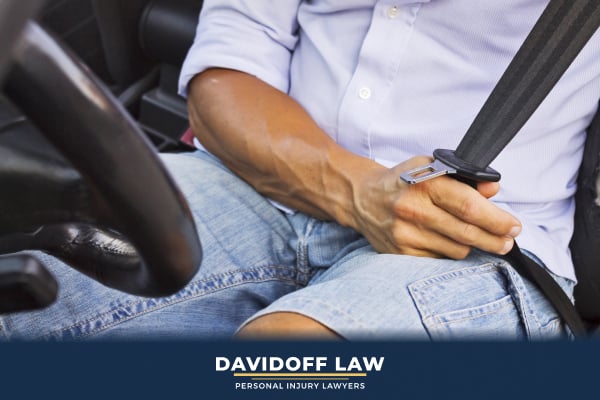
Seatbelts are essential for saving lives, but the same force that protects you can also injure you. When a crash happens at high speed, the seatbelt tightens with extreme pressure across the chest and stomach. This pressure can crush internal organs, especially the liver, spleen, or intestines.
Hitting the steering wheel with your chest can also cause blunt force trauma, bruising organs or breaking ribs that may puncture lung tissue. These types of car accident injuries are common and often qualify as serious injuries under New York law.
Penetrating Injuries From Debris or Broken Bones
In a violent crash, shattered glass, twisted metal, or even your own broken bones can cause sharp injuries inside the body. These are known as penetrating injuries. A broken rib may tear into the lung, or flying debris can pierce the abdomen, damaging organs like the kidneys or bladder.
These injuries are more dangerous because they combine external wounds with deep internal damage. They also raise medical expenses and may require surgery, long-term medical treatment, or permanent lifestyle changes, especially in severe car accident cases.
Rollover, High-Speed, and Rear-End Collisions
Certain types of car crashes are more likely to cause internal organ damage than others. Rollover accidents can slam your body against hard surfaces from multiple angles, increasing the chance of internal bleeding.
High-speed collisions transfer more force to the body, making it harder for your organs to stay protected, even with airbags. Rear-end crashes, especially when unexpected, can jolt your body forward suddenly, pushing your chest or abdomen into the steering wheel or dashboard.
All these crash types can result in catastrophic injuries and often require the help of a skilled Queens car accident attorney to pursue a full personal injury claim.
Common Symptoms of Internal Injuries After a Crash
Internal injuries can be hard to detect, especially right after a car accident, when adrenaline masks pain. Some symptoms may appear slowly, while others are signs of a medical emergency. Knowing what to watch for is critical.
- Abdominal Pain or Swelling: If you feel sharp or aching pain in your stomach after a crash, or notice swelling in your abdomen, it could be a sign of internal bleeding or organ damage. These symptoms often get worse over time and may come with nausea or tenderness when touched.
- Dizziness, Fainting, or Low Blood Pressure: Feeling dizzy, weak, or lightheaded after a car accident may mean you’re losing blood inside your body. Internal bleeding can cause your blood pressure to drop dangerously low, which limits oxygen to your brain and organs.
- Blood in Urine or Vomit: Seeing blood in your urine or vomit after a crash is a clear warning sign of a possible kidney, bladder, or stomach injury. These symptoms may not show up immediately but often point to deep internal injuries that need quick diagnosis and treatment.
- Trouble Breathing or Chest Pain: If your chest feels tight, sore, or it hurts when you breathe deeply, your lungs or ribs may have been injured during the car crash. These symptoms could indicate a collapsed lung, internal bleeding, or even damage to the heart.
Getting a Proper Medical Diagnosis

After a car accident, some internal injuries may not show up right away, which makes getting a full medical check-up extremely important. A proper diagnosis can confirm if organs were bruised, torn, or bleeding.
Doctors rely on tests and close monitoring to find injuries early, before they turn into life-threatening problems.
Importance of Imaging: CT Scans, Ultrasounds, X-rays
Imaging tests like CT scans, ultrasounds, and X-rays are essential for identifying internal injuries after a crash. These tools help doctors see what the eye cannot, whether an organ is bleeding, if there’s fluid in the abdomen, or if bones have shifted dangerously close to vital tissue.
In many car accident cases, these tests are the first step in both treating your injuries and building strong medical evidence for your personal injury claim.
Monitoring for Delayed-Onset Symptoms
Not all symptoms show up at the accident scene or even in the hours that follow. Some people develop pain, dizziness, or swelling days later, as damage inside the body gets worse. That’s why doctors may admit you to a hospital or recommend follow-up visits to monitor your condition.
Documenting these delayed symptoms also plays a big role in your car accident case, especially if insurance companies question the severity of your injuries.
Why Immediate Treatment Can Save Lives
Getting fast and accurate medical treatment after a crash can mean the difference between a smooth recovery and a medical crisis. When it comes to internal organ damage, time is critical. Delayed care can lead to infections, permanent damage, or even death.
Immediate treatment not only protects your health, but it also strengthens your claim when seeking maximum compensation for your injuries, medical bills, and future medical expenses.
Your Legal Options After an Internal Organ Injury
If you suffered internal organ damage in a car accident, you may have the right to pursue financial recovery beyond basic insurance. These types of injuries are often serious and expensive to treat, and they can affect your ability to work or live normally.
Here's how New York law handles these claims and what steps you can take:
Understanding New York’s No-Fault Insurance Rules
New York follows a no-fault insurance system, which means your own insurance company must cover your initial medical expenses and part of your lost wages, no matter who caused the crash. While this can help with emergency bills, no-fault coverage has limits and does not pay for pain, suffering, or long-term complications.
If your injuries are severe, you may be able to step outside the no-fault system and file a claim against the at-fault driver.
Meeting the “Serious Injury” Threshold for a Lawsuit
To bring a car accident lawsuit in New York, your injuries must meet the “serious injury” threshold set by state law. Internal organ damage often qualifies because it can involve surgery, long-term disability, or significant recovery time.
Meeting this threshold allows you to go beyond no-fault benefits and seek full compensation for your pain, future care needs, and reduced quality of life in a formal personal injury case.
Filing a Claim Against the At-Fault Driver
Once your injuries meet the legal standard, you may file a personal injury claim or lawsuit against the driver who caused the crash. A skilled Queens car accident lawyer can help prove the other party was liable, show how the crash directly caused your organ damage, and demand fair compensation for your medical care, lost income, and suffering.
Why You Need a Queens Internal Injury Attorney

Internal organ injuries are difficult to prove and often underestimated by insurance companies. Because these injuries are not always visible and symptoms can be delayed, your claim may be denied or undervalued.
Working with an experienced Queens car accident attorney can make a major difference in how your personal injury claim is handled and how much you recover.
Proving the Severity and Hidden Nature of Internal Injuries
Unlike cuts or broken bones, internal injuries don’t always leave obvious signs, which makes proving them more difficult. A skilled car accident lawyer will gather hospital records, test results, and expert opinions to show how serious the damage is and how it affects your health, work, and day-to-day life.
These documents are key in car accident cases, especially when insurance companies challenge the claim.
Working With Medical Experts to Support Your Case
A strong personal injury case often requires medical professionals who can explain the full impact of your injury. Your attorney will work with doctors and specialists who understand how organ damage occurs, how long recovery takes, and what future risks you face. Their insights give credibility to your case and help fight back when insurance adjusters try to minimize your condition.
Calculating Future Medical Costs and Disability
Internal organ injuries can result in lasting health issues that require ongoing treatment, medication, or surgery. Your car accident attorney will estimate not only your current medical bills but also your expected future medical expenses.
If your injury limits your ability to work, they’ll also calculate how much income you’re likely to lose in the future due to partial or permanent disability.
Handling Insurance Delays and Denials
Insurance companies may delay processing your claim, deny it outright, or offer a settlement far below what your case is worth. An experienced Queens car accident lawyer knows how to respond to these tactics. Your attorney will push for timely answers, negotiate for maximum compensation, and take legal action if the insurer refuses to treat your claim fairly.

Davidoff Law Personal Injury Lawyers Today!

FAQs
1. What are some common car accident injuries that may not show up right away?
Some of the most common car accident injuries, like internal bleeding, spinal cord injuries, and traumatic brain injuries, can take hours or days to appear. That’s why it’s so important to get medical care after any crash, even if you feel fine at the scene. Delayed symptoms can still qualify for a strong car accident claim.
2. How can an experienced car accident attorney help me after an internal injury?
An experienced car accident attorney will review your medical records, consult experts, and manage the entire claims process to make sure your injury is taken seriously. They also handle talks with insurance companies and fight to pursue compensation for pain, lost income, and long-term care. Without legal help, you may get far less than you deserve.
3. What is the average car accident settlement for internal organ injuries?
There’s no fixed amount, as every Queens car accident case is different. The average car accident settlement depends on the severity of your injuries, your medical costs, time missed from work, and long-term effects. Internal organ injuries often qualify as severe injuries, which can increase your right to financial compensation in a personal injury lawsuit.
4. Can I file a personal injury claim if distracted driving caused the crash?
Yes. If another driver was texting, eating, or otherwise distracted and caused the auto accident case, you may file a personal injury claim. A skilled New York car accident lawyer or car crash attorney can prove the other party was at fault using police reports, witness statements, and even phone records.
5. What if the insurance company says my injuries aren’t serious?
This is a common tactic. Insurance coverage often excludes damages unless your injuries meet certain standards. An experienced car accident lawyer from a trusted law firm will gather strong evidence, such as medical records and expert evaluations, to prove your injuries are serious. This includes any emotional trauma, surgeries, or long-term health issues, all of which can affect your ability to recover compensation.
Contact Our Queens Vertebral Fracture Lawyer for a Free Consultation

If you suffered internal organ damage in a Queens car accident, you don’t have to face the recovery and legal process alone. These are not just medical emergencies, they can also lead to serious financial stress, lost income, and long-term health issues. Davidoff Law Personal Injury Lawyers understands the impact these injuries have on your life, and we’re here to help you move forward.
Our team includes experienced trial lawyers and a dedicated personal injury attorney who knows how to build strong cases, deal with difficult insurance companies, and help you recover compensation for your medical care, pain, and suffering. Whether your injury resulted from a high-speed collision, rollover crash, or distracted driver, we are ready to fight for the justice and support you deserve.
Contact us now for a free consultation. You won’t pay anything unless we win your case. Let a trusted personal injury attorney protect your rights and get you the financial compensation you need to heal and rebuild.