



Esta página ha sido redactada, editada, revisada y aprobada por Rubén Davidoff siguiendo nuestro exhaustivo directrices editoriales Ruben Davidoff, El socio fundador cuenta con más de 30 años de experiencia legal como abogado especializado en lesiones personales en Nueva York.
How parking lot design contributes to pedestrian accidents becomes clear once we look at how often pedestrians walking through parking areas face danger. Parking lots account for tens of thousands of pedestrian accidents each year, many of which occur in shopping centers and large parking facilities. A high share of pedestrian accidents is due to distracted driving, poor lighting, and layouts that limit visibility around parked cars. Design defects also increase the risk, as parking lot users often navigate narrow spaces amid mixed traffic. At Ley Davidoff, we help injured pedestrians pursue fair compensation when unsafe parking areas and poor maintenance lead to serious injuries and complex personal injury claims.
Índice
Why Parking Lots Are Especially Dangerous for Pedestrians
We often explain that parking lot accidents happen because these areas lack the strong controls found on public roads. Drivers and pedestrians move too close together, raising safety concerns when visibility drops. Backing vehicles, parked cars, and quick turns also create danger.
Key reasons include:
- Lack of traffic controls: Most parking lots rely on a few signs or marked crosswalks, so both pedestrians and drivers must guess movement patterns.
- Blind spots and backing vehicles: Parked vehicles block views, making it hard to see foot traffic.
- Poor driver awareness: Low speed limits can lead drivers to believe crashes are unlikely, even though parking lot incidents cause severe injuries each year.
Parking Lot Design Elements That Increase Risk
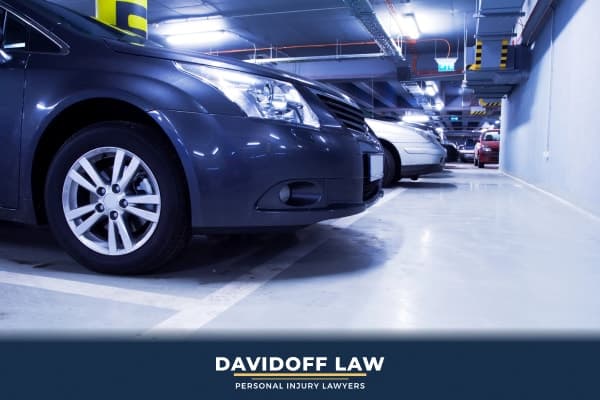
We see many cases where the layout itself makes navigating parking lots harder and increases the chance of accidentes de peatones.
Narrow Lanes and Tight Turning Areas
Tight lanes force vehicles to turn sharply around parked cars, which increases the chance of pedestrians being struck while moving between parking spaces. These conditions limit visibility and make it harder for drivers to react to pedestrian movement. When pedestrians walking between parking spots appear with little warning, collisions happen fast. Narrow lanes also push pedestrians out of designated walkways, increasing the risk of pedestrian accidents in parking lots.
Poor or Confusing Signage
Parking lot users depend on clear signs, yet many parking areas have confusing or damaged signs. Drivers may miss speed limits, stop signs, or traffic arrows. This confusion increases the risk of pedestrian accidents in parking lots when drivers enter the wrong lane or fail to yield. Property owners should maintain signs to reduce crashes and create safer parking environments.
Inadequate Lighting at Night
Inadequate lighting is one of the most common causes of parking lot injuries. Poor lighting or insufficient lighting leaves both pedestrians and drivers struggling to see hazards, especially near parked vehicles. These conditions can hide foot traffic, making it hard to avoid collisions. Proper maintenance and adequate lighting can enhance visibility and reduce nighttime pedestrian injuries.
Lack of Marked Pedestrian Pathways
Many parking lots have no designated pedestrian crossings or clear pedestrian pathways. Without pedestrian walkways, pedestrians must cross areas meant for cars, increasing the risk of serious injury. Property owner responsibilities include designing safe pedestrian pathways to reduce pedestrian accidents. Strong layouts can improve pedestrian safety and help create safer parking environments.
Unclear or Worn Crosswalk Markings
Worn or faded markings create confusion for both pedestrians and distracted drivers. When crosswalks are unclear, pedestrians walking through parking spots cannot tell where it is safe to cross. This increases danger because drivers may fail to yield in these unclear zones. Good markings help prioritize safety and reduce the chance of parking lot accidents.
Driver Behaviors That Combine With Bad Design to Cause Crashes
We often see that poor layout alone does not cause parking lot accidents because human behavior plays a major role. When drivers ignore traffic laws or fail to watch for pedestrians, the danger increases. These human errors, combined with design flaws, increase the likelihood of collisions.
Distracted Driving in Parking Areas
Driver distractions create major risks in areas with limited visibility. Phones, navigation screens, and conversations pull attention away from pedestrians walking between parking spaces. Bad lighting can make these risks even worse. When drivers lose focus, both angled parking zones and narrow lanes become unsafe.
Speeding or Rolling Through Stop Areas
Even small increases in speed can threaten parking lot safety. Drivers who roll through stop signs or speed through tight lanes leave injured pedestrians with no time to react. This behavior often violates basic traffic laws. These crashes involve multiple parties and result in significant medical bills and lost wages.
Backing Out Without Checking Blind Spots
Backing out demands care because parked cars block views on both sides. When drivers fail to check blind spots, pedestrians struck in these zones often suffer serious harm. Poor visibility makes backing even more dangerous. We review surveillance footage and police reports to show what happened.
No ceder el paso a los peatones
Many drivers treat parking areas like low-risk zones and fail to yield. This mistake puts pedestrians in danger, especially in areas with poor visibility. When drivers ignore safety measures, crashes happen near walkways and parking spots. These failures often involve the parking lot owner when design flaws raise risks.
Property Owner Responsibility for Safe Parking Lot Design
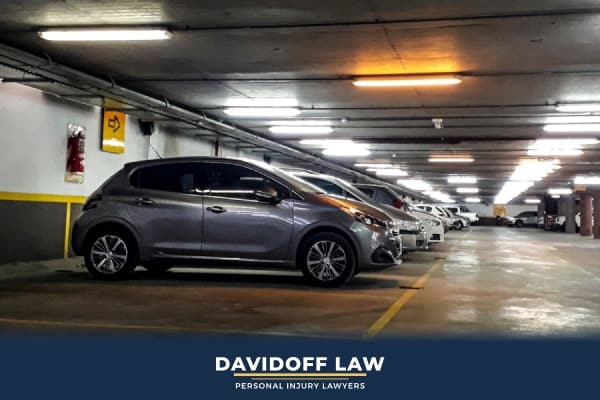
We explain to clients that property owners must create layouts that help ensure pedestrian safety. Their duties include designing clear paths and keeping the parking lot safe for all users. When they ignore hazards, they may face liability for any injuries that follow.
Key duties include:
- Maintaining safe premises: Owners must address hazards and implement safety improvements.
- Managing lighting, signs, and markings: Adequate lighting and clear markings lower risks in parking areas and garage structures annually.
- Performing regular inspections: These checks help owners catch hazards before someone gets hurt.
- Addressing known hazards: Owners must fix problems quickly or risk claims from injured pedestrians.
When Poor Maintenance Makes Conditions More Dangerous
We see many cases where maintenance failures add new dangers on top of flawed parking lot design. These problems increase risk even when pedestrian walkways exist. Crashes often happen when owners forget basic upkeep.
Common failures include:
- Faded paint: Worn markings reduce clarity for pedestrians and drivers.
- Broken lighting: Inadequate lighting or poor visibility hides foot traffic.
- Cracks or potholes: These hazards cause falls and create unsafe paths.
- Debris: Blocked walkways force pedestrians into vehicle paths, leading to more parking lot incidents.
How Parking Lot Pedestrian Accidents Happen

We see many ways pedestrian accidents occur in tight parking areas. Bad design, weak lighting, and driver errors combine to create unsafe conditions. These causes often appear together in busy shopping centers and parking facilities.
Common crash types include:
- Backing accidents: Parked vehicles block sight lines during backing.
- Angle parking collisions: Angled parking creates sharp turns and sudden movement.
- Mid-lot pedestrian strikes: Pedestrian movement crosses vehicle paths at random points.
- Reduced visibility: Parked cars and poor lighting limit what drivers can see.
- Traffic flow problems: Confusing layouts push both pedestrians and drivers into conflict.
Injuries Common in Parking Lot Pedestrian Accidents
We help many clients who suffer serious injuries when struck by vehicles in parking facilities. Low speeds may seem safe, but the impact can still cause lasting harm. Many of these injuries require long-term care and entail substantial medical expenses and insurance claims.
Common injuries include:
- Broken bones: These injuries need long recovery times.
- Traumatic brain injuries: Even slight impacts can cause major damage.
- Back and spinal injuries: These limit movement and may need surgery.
- Soft tissue damage: Strains and tears can disrupt work and daily life.
- Mobility issues: Long-term problems often follow parking lot injuries, pushing victims to seek compensation with legal representation.
Who May Be Liable for a Parking Lot Pedestrian Accident?

We explain to clients that liability depends on how the lot was designed, how it was maintained, and how each driver behaved. Many parties may share blame when poor design mixes with unsafe actions. This underscores the importance of prioritizing pedestrian safety for every property owner and driver.
Property Owners or Businesses
A parking lot owner or business is often responsible for ensuring pedestrian safety. They must fix hazards and maintain clear walkways so pedestrians can move safely. When owners ignore known risks, they may be held liable. We guide victims through the legal process when a property owner fails to act.
Architectural Designers or Engineering Firms
Design firms may share fault when poor layouts increase danger in parking areas. Flawed plans can lead to blind spots and unsafe paths for pedestrian traffic. These decisions can raise risk long before the lot opens. We work with experts to show how design choices caused harm.
Maintenance Contractors
Maintenance teams must keep lights, signs, and markings in good shape. When they fail to address hazards, the risk of a crash increases. Poor upkeep can make safe designs dangerous in practice. We assess maintenance records to see where contractors went wrong.
Negligent Drivers
Drivers who ignore traffic laws or fail to watch for pedestrians also cause many crashes. Driver distractions reduce reaction time and increase risk during busy hours. These failures, combined with limited visibility, create unsafe conditions. We help hold negligent drivers accountable for their actions.
Evidence Used to Prove a Parking Lot Design-Related Claim
We gather evidence to show how design, lighting, or maintenance flaws led to a crash. Strong proof helps us build a clear picture of what happened in the moments before the injury. The National Safety Council notes that strong documentation is key in these cases.
Helpful evidence includes:
- Surveillance video: Footage shows vehicle movement and lighting conditions.
- Accident reconstruction: Experts help explain how the layout affected the crash.
- Lighting measurements indicate poor visibility or inadequate lighting.
- Site design plans: Blueprints reveal choices that affect safety.
- Maintenance logs: These records prove whether owners ignored hazards.
- Witness statements: People on-site can confirm unsafe conditions.
- Photos and diagrams: Visuals help explain design flaws clearly.
Compensation Available for Victims of Parking Lot Pedestrian Accidents
We help clients seek compensation for harm caused by unsafe designs or careless drivers. These damages often reflect major changes in daily life and long recovery periods. A acuerdo justo should address both financial and personal losses.
La compensación puede incluir:
- Medical expenses: Bills for hospital visits, therapy, and treatment.
- Pain and suffering: Awards for physical and emotional harm.
- Lost income: Payments for missed work and reduced earning ability.
- Long-term disability: Support for lasting limits on movement.
- Ongoing care: Coverage for future medical needs tied to the accident.
How Davidoff Law Investigates Parking Lot Design Defects

We conduct detailed investigations when a client is hurt due to layout or lighting flaws. Nuestro equipo studies how the lot was built and whether the design increased pedestrian safety risks. We work with experts to build strong claims that show negligence.
Our investigation includes:
- Reviewing blueprints and layout: These plans show how footpaths and traffic flow were designed.
- Consulting engineering experts: They help explain where designs failed.
- Inspecting lighting, signage, and walkways: We check whether the area meets safety standards.
- Recopilación de pruebas: We collect photos, reports, and witness accounts to strengthen the case.
- Preparing claims: We take legal action against the property owner or the responsible business.
Steps to Take After a Parking Lot Pedestrian Accident
We remind victims that their first steps can protect their health and their claim. Quick action helps preserve evidence and makes the legal process smoother.
- Report the Accident to Management and Call 911
Report the crash right away so the event is documented. Call 911 for help and to create a police report. This ensures there is an official record that supports your claim. - Photograph Lighting, Signage, and Vehicle Positioning
Take pictures of the lighting, signs, and where vehicles stopped. These photos help show flaws linked to the crash. They also support our work when gathering evidence for your case. - Seek Medical Care and Contact Davidoff Law
Get medical care fast, even if injuries seem minor. Then contact us so a abogado especializado en lesiones personales can protect your rights. Quick treatment also supports your legal claim by linking injuries to the event.
Preguntas frecuentes
Yes, you may file a claim if poor lighting contributed to the crash. We look at lighting issues, site design, and other factors to determine liability.
A property owner is not always liable, but they may share responsibility. We examine maintenance duties, safety measures, and expert reports to see if they failed to prioritize pedestrian safety.
You may still seek compensation even if a driver caused the impact. We review driver distractions, traffic laws, and parking lot safety issues to identify multiple parties who may be responsible.
You can prove an unsafe layout through surveillance footage, police reports, photos, and expert opinions. We help gather evidence and demonstrate that limited visibility or poor traffic flow caused the crash.
Yes, businesses should repaint markings to ensure clear pedestrian traffic paths. We review records and the National Safety Council's guidance to show when a parking lot owner failed to implement required safety improvements.
You should contact us as soon as possible. Early help allows us to start gathering evidence and guide you through the legal process with strong legal representation.
Speak With Our New York Pedestrian Accident Lawyers for a Free Case Evaluation

If you were hurt in a parking lot, we are ready to help you move forward. We understand how design defects, limited visibility, and unsafe layouts create real dangers for pedestrians. Our team knows how to uncover hazards, work with experts, and hold multiple parties accountable for their failures. We offer a free consultation so you can learn your rights and explore filing personal injury claims without pressure. Contáctenos hoy mismo to speak with a personal injury attorney who will protect your interests and fight for the compensation you deserve.

Rubén Davidoff, fundador de Davidoff Law, estableció su despacho en 2012 tras mudarse a Queens en 1988 y comenzar su carrera jurídica en 1997. Admitido en el estado de Nueva York y en el Tribunal de Distrito de los Estados Unidos para el Distrito Este de Nueva York, cuenta con una amplia experiencia en lesiones personales, habiendo llevado diversos casos como accidentes aéreos, accidentes automovilísticos y casos de resbalones, tropiezos y caídas. El Sr. Davidoff ofrece una atención personalizada y ha recuperado millones para sus clientes a través de acuerdos o veredictos, aprovechando sus décadas de experiencia.
