



Esta página ha sido redactada, editada, revisada y aprobada por Rubén Davidoff siguiendo nuestro exhaustivo directrices editoriales Ruben Davidoff, El socio fundador cuenta con más de 30 años de experiencia legal como abogado especializado en lesiones personales en Nueva York.
Índice
If a pothole, loose debris, or a broken manhole cover threw you from your motorcycle, someone other than you may be legally responsible. Depending on where the hazard was, that could be the City of New York, New York State, a utility company, a contractor, or a trucking company. Claims against public entities carry short notice deadlines and a strict written notice rule, so the first weeks after a crash matter.
It is normal to feel overwhelmed while you heal and the bills arrive. A Fresh Meadows motorcycle road hazard accident lawyer at Davidoff Law can identify who controlled the road and protect your deadlines while you focus on recovery.
Call 718-268-8800 to talk with our team.

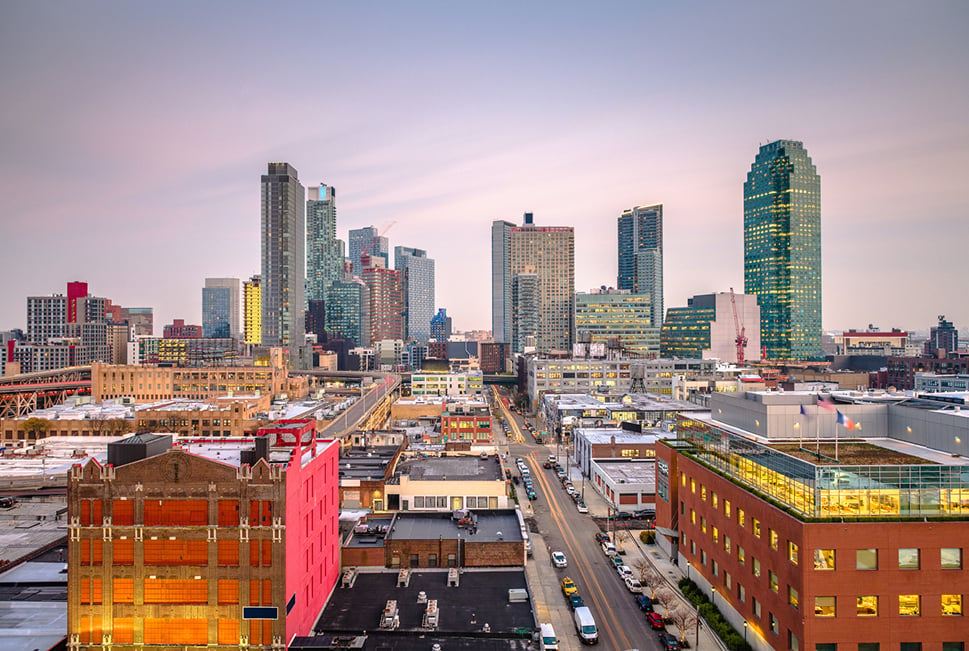
How Davidoff Law Helps After a Motorcycle Road Hazard Accident in Fresh Meadows
Our main office sits at 75-60 188th Street in Fresh Meadows, near Union Turnpike and Utopia Parkway. Riders hurt on local streets and nearby highways can meet with our team close to home.
Road hazard cases are one focus within our work as a Fresh Meadows motorcycle accident lawyer, and they turn on records and deadlines that ordinary crash claims do not. When you work with us, you can expect the following:
- Our founding attorney began practicing law in 1997, founded the firm in 2012, and is admitted in New York State and the U.S. District Court for the Eastern District of New York.
- Our prior results include $2.3 million for a student riding a motor scooter and $10 million in a motor vehicle wrongful death case. Prior results do not guarantee a similar outcome.
- Phones are answered 24 hours a day, seven days a week, and our team speaks Spanish.
- We handle injury cases on a contingency fee basis.
Common Road Hazards That Cause Motorcycle Crashes in Fresh Meadows
A defect that barely jolts a car can take away a motorcycle's grip in a split second. Two small tire patches carry the entire bike, so a sudden drop, ridge, or slick spot can end a ride. Riders in and around Fresh Meadows face hazards such as these.
Potholes and Broken Pavement
Potholes and crumbling pavement can catch a front wheel and pitch a rider forward or sideways. Rainwater can hide how deep a hole really is. For a closer look at how these defects cause crashes, read about motorcycle accidents involving potholes and uneven road surfaces in Queens.
Manhole Covers, Gratings, and Street Hardware
Sunken or raised manhole covers, loose grates, and other metal hardware set into the street create sharp edges and slick surfaces. A cover that sits above or below the pavement can deflect a tire without warning. Responsibility often depends on who owns the hardware, not only on who owns the road.
Steel Plates, Milled Lanes, and Construction Zones
Road work leaves steel plates, milled lanes, and uneven edges between old and new pavement. Plates can offer little grip when wet, and a raised edge can steer a tire where the rider never intended. Contractors and the agencies directing the work may share responsibility for these conditions.
Gravel, Spilled Loads, and Fallen Cargo
Gravel, sand, and items that fall from trucks can turn a normal lane into a slide. These crashes often trace back to a vehicle that was loaded carelessly. Our firm also handles improperly secured cargo truck accidents in Queens, which raise many of the same evidence questions.
Who Is Responsible for a Road Hazard That Caused My Motorcycle Crash?
The answer depends on where the crash happened and who created or controlled the hazard. A single crash scene can involve more than one public agency or private company. Each one follows different rules and deadlines.
The City of New York
When the defect is on a City street, the claim generally runs against the City of New York. The NYC Comptroller's Office oversees claims against the City and accepts a notice of claim through its eClaim system, by personal delivery, or by registered or certified mail. Claims against certain authorities, such as the MTA or the New York City Transit Authority, must be served on that authority instead.
New York State on State Highways
Some highways in Queens are inspected by the State rather than the City. In a 2024 Court of Claims case involving a pothole on the Clearview Expressway, a state transportation engineer testified that he inspects the entire Clearview in Queens. The Comptroller advises that a defect on a state highway calls for a separate claim with New York State.
Claims against the State are heard in the New York State Court of Claims. In that Clearview case, the court explained that notice of a road defect can be implied when it existed long enough that it should have been observed. That question often shapes a claim against the State.
Utility Companies That Own Covers and Gratings
City transportation rule 34 RCNY § 2-07 places duties on the owners of street covers and gratings, as an appellate court explained. The owner must monitor the cover and the area extending 12 inches outward from its edge, and must repair defective street conditions within that area. A 2023 Bronx County decision also notes that the rule requires street hardware to sit flush with the surrounding street.
Truck Operators and Other Drivers
Bajo Vehicle and Traffic Law § 380-a, an open truck hauling loose substances on a public highway needs an approved cover that keeps the material from falling. The cover is not required if the load is arranged so nothing can fall or blow out. Under section 377, vehicles hauling logs or other materials that may shift or roll must have the load securely fastened.
When spilled cargo or a careless driver forces a rider into a hazard, that driver or company may share responsibility. These claims proceed against the private party rather than a government agency.
How New York City's Pothole Law Affects Your Claim Against the City
New York City's Pothole Law, Administrative Code § 7-201(c)(2), limits when the City can be held responsible for a defective street. Understanding it early helps protect a claim that could otherwise be dismissed.
Written Notice and the 15-Day Repair Window
As quoted in Williams v New York City Department of Transportation, the law bars an injury action against the City over a defective street unless one of these forms of written notice existed:
- Written notice actually given to the Commissioner of Transportation or someone authorized to receive it
- Written notice to a City agency after a previous injury caused by the same condition
- A written acknowledgment from the City of the dangerous condition
The City must also have failed to repair the defect or make the area reasonably safe within 15 days after receiving that notice.
Why the Notice Must Match the Exact Defect
Notice must point to the defect that actually caused the crash. In a 2025 case involving a moped rider who struck a pothole, the court held that notice of a second pothole did not count as notice of the one that caused the fall. Symbols on Big Apple Pothole and Sidewalk Protection maps must also match the type of defect alleged, as one 2022 decision explains.
Deadlines for a Motorcycle Road Hazard Claim in New York
Road hazard claims can run on several clocks at once, and some start the day of the crash. Missing a notice deadline can end a claim against a public entity. The key deadlines include the following:
- 90 days for a notice of claim against the City: General Municipal Law § 50-e requires a sworn notice of claim within 90 days after the claim arises.
- 90 days to act against the State: Court of Claims Act § 10(3) requires you to file and serve a claim on the Attorney General within 90 days. Serving a written notice of intention within that time is the alternative, as an appellate court explained.
- 1 year and 90 days to start a lawsuit against the City: General Municipal Law § 50-i requires the action to begin within 1 year and 90 days after the event.
- 2 years for a State claim after a notice of intention: A timely notice of intention extends the time to file and serve the claim to 2 years after the claim accrues.
- 2 years for a wrongful death action against the City: Section 50-i requires these actions to begin within 2 years after the death.
- 3 years for claims against private parties: Claims against utilities, contractors, or trucking companies generally follow the 3-year personal injury deadline in CPLR 214.
A court may allow a late notice of claim, but not beyond the deadline to start the lawsuit, as one appellate court noted. A pre-suit examination under section 50-h does not extend the 1-year-and-90-day period. You can also learn more about the general New York statute of limitations.
Who Pays Medical Bills After a Motorcycle Road Hazard Crash?
New York's no-fault system does not pay first-party benefits to motorcycle riders. Under Insurance Law § 5103(a)(1), those benefits go to persons other than occupants of another motor vehicle or a motorcycle.
Possible sources of payment include:
- A claim against the City, the State, a utility, a contractor, or a trucking company responsible for the hazard
- Your own health insurance, subject to its terms and any reimbursement rights
- Any optional coverage you purchased on your motorcycle policy
- Another driver's liability coverage, if that driver helped cause the crash
Our overview of motorcycle insurance requirements explains what New York riders must carry.
Can I Still Recover Compensation If I'm Blamed for the Crash?
The City, the State, or an insurer may argue that you were riding too fast, riding out of position, or not watching the road. Under CPLR 1411(a), your own share of fault generally does not bar recovery, but it reduces damages in proportion. A 2026 amendment added subsection (b), which bars recovery in personal injury actions subject to New York's no-fault article when the injured person's fault is greater than the defendant's.
How subsection (b) applies to a rider's road hazard claim is a question we evaluate case by case. Strong evidence of the defect itself is often the clearest response to a blame argument.
How We Build a Road Hazard Case for Fresh Meadows Riders
Road hazard claims depend on records, and many of those records sit with government agencies and utilities. Our investigation can include:
- Searching City transportation records and Big Apple maps for written notice of the specific defect
- Counting the days between any notice and the crash to test the 15-day repair window
- Identifying who owns a cover or grate near the crash site
- Requesting inspection and maintenance records when the crash happened on a state highway
- Photographing and measuring the hazard and looking for camera footage
- Reviewing street work permits, knowing that a permit alone is not prior written notice, as one court held
Acting quickly also helps preserve evidence before a defect is patched or paved over.
Contact Our Fresh Meadows Motorcycle Road Hazard Accident Lawyer for a Free Case Evaluation
A road hazard crash can leave you hurt, out of work, and unsure who is even responsible. You do not have to sort out the City, the State, and every company involved on your own. A Fresh Meadows motorcycle road hazard accident lawyer at Davidoff Law can identify the responsible parties, protect your notice deadlines, and explain your legal options.
Founding attorney Ruben Davidoff and our team handle injury cases on a contingency fee basis. Call 718-268-8800 today for a free case evaluation at our Fresh Meadows office.

Rubén Davidoff, fundador de Davidoff Law, estableció su despacho en 2012 tras mudarse a Queens en 1988 y comenzar su carrera jurídica en 1997. Admitido en el estado de Nueva York y en el Tribunal de Distrito de los Estados Unidos para el Distrito Este de Nueva York, cuenta con una amplia experiencia en lesiones personales, habiendo llevado diversos casos como accidentes aéreos, accidentes automovilísticos y casos de resbalones, tropiezos y caídas. El Sr. Davidoff ofrece una atención personalizada y ha recuperado millones para sus clientes a través de acuerdos o veredictos, aprovechando sus décadas de experiencia.
