



This page was written, edited, reviewed & approved by Ruben Davidoff following our comprehensive editorial guidelines Ruben Davidoff, the Founding Partner, has 30+ years of legal experience as a New York personal injury attorney.
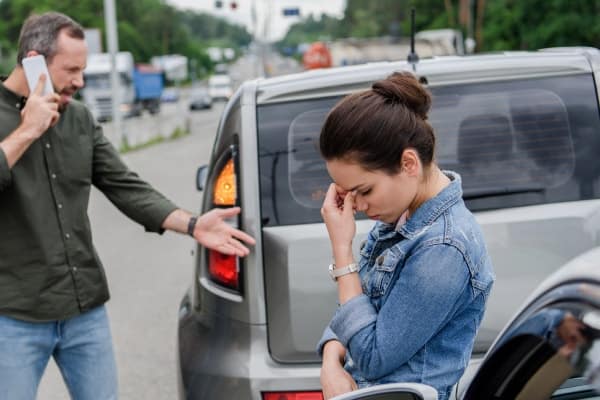
Determining liability in an Uber accident is more complex than a regular car crash. In standard accidents, the at-fault driver usually faces liability. However, in the case of Uber accidents, liability can fall on multiple parties, including the Uber driver, another motorist, or Uber itself. Factors such as the driver's status (whether they were actively transporting or not), insurance coverage, and traffic laws can all affect who is held responsible.
Table of Contents
In this guide, we’ll break down the process of determining liability and explain how insurance coverage and other legal elements play a role. At Davidoff Law Personal Injury Lawyers, our Uber accident lawyer helps victims pursue fair compensation from the responsible parties.
The Core Principle: Establishing Negligence
Before determining liability, you must first establish if and how negligence occurred. Negligence is a legal concept that forms the basis of most personal injury claims. Simply put, it means someone failed to act with reasonable care, resulting in an accident. This is the starting point in figuring out who is responsible for your injuries and losses. To prove negligence, you must show four key elements.
The Four Elements of Negligence
To establish negligence, the following four elements must be proven:
- Duty of Care: The at-fault party must have had a responsibility to avoid causing harm. In Uber accidents, drivers have a duty to drive safely and follow traffic laws.
- Breach of Duty: The responsible party must have breached their duty of care. For example, if the Uber driver was speeding or using their phone, this would be a breach of duty.
- Causation: The breach of duty must have directly caused the accident. If the Uber driver’s reckless driving caused the crash, this would fulfill causation.
- Damages: The breach must have caused harm. In an Uber accident, this could include medical expenses, lost wages, and property damage.
Common Examples of Driver Negligence
In Uber accident cases, driver negligence often plays a key role in determining liability. Some common examples include:
- Speeding: If the Uber driver was speeding and caused an accident, this would likely be considered negligent driving.
- Reckless driving: Behaviors like tailgating, running red lights, or ignoring traffic laws can lead to accidents and are considered negligent actions.
- Distracted driving: If the Uber driver was texting or using the Uber app during the ride, they could be held responsible for the crash.
- Driving under the influence: If the Uber driver was impaired by drugs or alcohol, they would almost certainly be at fault for the accident.
In these cases, Uber's insurance coverage may come into play, depending on the driver's status at the time of the accident.
At Davidoff Law Personal Injury Lawyers, we know how to investigate Uber accident liability and gather the necessary evidence to prove negligence. Whether it's police reports, insurance information, or medical records, we will work hard to build a strong case for you. If you’ve been injured in an Uber accident, let us help you pursue the maximum compensation you deserve.
The Critical Factor: The Uber Driver's Status
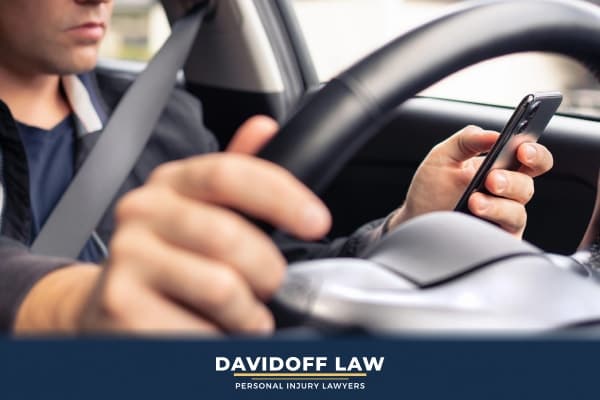
The liability for an Uber accident often depends on the driver’s status at the time of the crash. Uber’s multi-million dollar insurance policy provides different levels of coverage based on whether the driver was actively transporting a passenger, waiting for a ride request, or off-duty. This status is critical in determining who is liable for the accident and what insurance coverage applies. The moment of the accident occurrence directly impacts the insurance claim process and the responsible parties.
Period 0: App Off - Driver is Unavailable
When the Uber app is off, the driver is unavailable to accept any ride requests. During this period, Uber does not provide liability coverage. In this case, the responsibility falls on the driver's personal auto insurance. If an accident occurs, the driver’s personal insurance policy will be the primary source of coverage. However, if the driver’s personal insurance doesn’t fully cover the damages, you may be left to deal with the insurance companies on your own.
Period 1: App On, Waiting for a Ride Request
When the Uber driver has the app on but is waiting for a ride request, Uber's insurance coverage provides limited liability coverage. If an accident occurs, the driver's personal insurance might be the primary coverage, but Uber provides some third-party liability insurance. This coverage can help in situations where the driver is available but not yet en route to pick up a passenger. However, the coverage is limited and may not fully cover medical bills, property damage, or lost income.
Period 2: En Route to Pick Up a Passenger
When the Uber driver accepts a ride request and is on the way to pick up a passenger, Uber’s commercial insurance coverage becomes more significant. In this case, Uber's insurance policy provides liability coverage, including uninsured underinsured motorist coverage. If another uninsured or underinsured driver causes the crash, Uber's third-party liability and collision coverage will help cover the damages. This is when Uber's insurance coverage provides the highest level of protection, covering injuries to passengers, drivers, and other involved drivers.
Period 3: Passenger is in the Vehicle
When the Uber driver is actively transporting a passenger, Uber’s insurance policy provides the most comprehensive coverage. Uber compensates injured passengers with $1 million liability coverage. This coverage helps with bodily injury, medical expenses, and lost income. If another driver's fault caused the accident, Uber’s liability insurance will help cover the costs, including collision insurance and third-party liability. This is the most extensive protection available during an Uber accident.
Uber's Insurance Coverage and How It Applies

Understanding Uber’s insurance coverage is crucial when pursuing compensation after an Uber accident. Depending on the driver’s status, Uber provides different levels of liability insurance. Knowing these levels helps you understand what coverage applies in your case. Let’s break down the two primary coverage options Uber offers.
Contingent Liability Coverage (Period 1)
During Period 1, when the driver is waiting for a ride request, Uber's insurance provides contingent liability coverage. This means that if the driver causes an accident, Uber’s insurance coverage will only kick in after the driver’s personal auto insurance has been exhausted. This coverage is limited and may not fully compensate you for your medical expenses, lost wages, or property damage. Uninsured or underinsured motorist coverage may apply if the other driver is at fault and lacks sufficient insurance.
$1 Million Liability Coverage (Periods 2 & 3)
In Periods 2 and 3, when the driver is either en route to pick up a passenger or actively transporting one, Uber's insurance policy provides $1 million liability coverage. This coverage protects both the Uber driver and any injured parties involved in the accident, including passengers. It helps cover medical bills, bodily injury, lost income, and property damage. This level of coverage is the most extensive and ensures you are protected during an Uber accident when the driver is actively transporting or on their way to pick someone up.
At Davidoff Law Personal Injury Lawyers, we understand the complexities of Uber accident liability and how different levels of coverage apply depending on the driver’s status. If you've been injured in an Uber or were involved in a rideshare accident, we are here to help you navigate the claims process and pursue fair compensation. Let us provide you with legal guidance to ensure you get the maximum compensation available under Uber’s insurance policy.
Scenarios of Shared and Comparative Fault
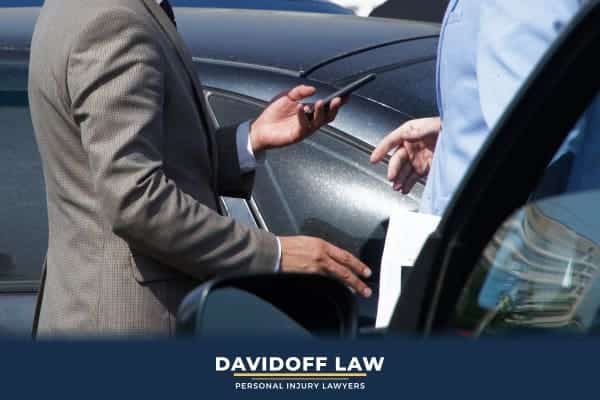
Determining liability in an Uber accident isn’t always straightforward. Sometimes, multiple parties are responsible for the crash, which can affect your compensation. In many cases, comparative fault comes into play, meaning your compensation may be reduced if you’re partially responsible for the accident. Understanding how shared fault works in your state is crucial for seeking fair compensation after an accident.
What if the Uber Driver and Another Driver are Both at Fault?
In accidents where both the Uber driver and another driver are at fault, liability is often shared. For example, if the Uber driver was violating traffic laws and the other driver was speeding, both may be responsible. Determining fault requires a careful review of the accident scene and all involved vehicles. In such cases, you may need to rely on Uber’s insurance policy and the other driver’s personal insurance to cover the damages. This is where uninsured or underinsured motorist coverage can play a key role if the other driver lacks adequate insurance.
What if You are Partially at Fault as a Passenger?
If you’re a passenger in an Uber vehicle and you’re partially at fault for the accident, you may still be entitled to compensation. For example, if you distracted the driver or failed to wear a seatbelt, comparative negligence may reduce your compensation but not eliminate it. However, even in shared fault situations, Uber’s insurance coverage may still help cover your medical bills and property damage. Uninsured or underinsured motorist coverage could also be a valuable resource if the other driver is at fault but lacks proper insurance.
When Uber Itself Can Be Held Liable
While Uber usually classifies its drivers as independent contractors, there are situations where Uber can be held directly accountable for the accident. This is often the case when the company’s own actions or negligence contributed to the accident. Holding Uber liable requires a deeper look at their practices, such as how they hire, train, or manage drivers.
Negligent Hiring, Training, or Retention
If Uber hired or continued to employ a driver with a history of reckless driving or accidents, they might be negligent in their hiring or retention practices. For example, if an Uber driver has a personal auto insurance policy that shows previous violations of traffic laws, and Uber failed to address this, the company could be held responsible. Uber has a duty to ensure that its independent contractors are qualified and safe to drive. If they fail to meet this standard, they could be liable for the damages caused in a rideshare accident.
Vicarious Liability and the "Course and Scope" of Employment
In some situations, Uber can be held liable under vicarious liability. This legal concept holds an employer responsible for the actions of its employees when those actions happen within the course and scope of employment. Even though Uber drivers are classified as independent contractors, if the driver is actively transporting a passenger or on the way to pick someone up, Uber may be held liable for any accidents involving that driver. This includes accidents where the Uber driver’s fault caused bodily injury or property damage during their ride.
At Davidoff Law Personal Injury Lawyers, we understand the complexities of Uber accident liability. We’ll work with you to determine who is responsible and pursue fair compensation from all involved parties, including the Uber driver, the company, and other negligent drivers. If you've been injured in an Uber accident, contact us today for expert legal guidance.
The Evidence Needed to Prove Liability
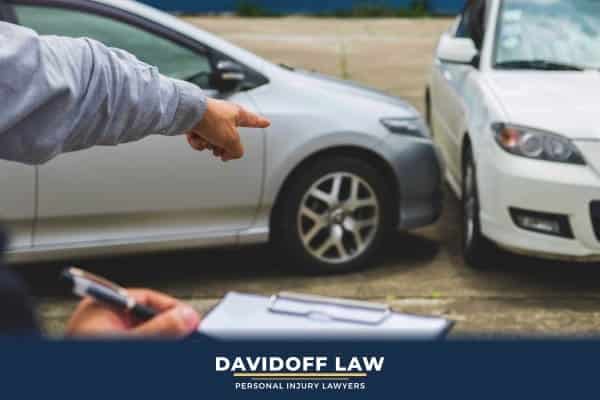
Proving liability in an Uber accident requires strong evidence. Gathering and preserving the right proof early in your case is essential. This helps ensure you can hold the responsible parties accountable and secure the compensation you deserve. As your personal injury attorney, we will help you gather the key pieces of evidence to support your claim.
The Police Report and Official Documentation
A police report is one of the most important pieces of evidence in an Uber accident case. This report outlines the facts of the accident, including the vehicles involved, damages, and any citations issued at the accident scene. The police report will also include details of any traffic violations, which can help establish liability.
Make sure to request a copy of the report as soon as it becomes available, as it will be crucial in proving the other driver’s fault. If Uber or another driver is responsible, the report can help back up your case and provide an accurate description of the events.
Eyewitness Testimony and Contact Information
Eyewitnesses who saw the accident can provide valuable testimony that helps establish liability. If there were any witnesses at the accident scene, be sure to get their contact information. Eyewitnesses can testify about how the crash happened and help confirm who was at fault. Their testimony can be especially important when multiple parties are involved, such as when an Uber driver and another uninsured driver are both responsible. Their account of the accident can also help support your personal injury claim and show the actual cash value of your losses.
Digital Evidence: App Data and Trip Details
In Uber accident cases, digital evidence such as app data and trip details can be critical. Uber keeps detailed records of each ride, including the ride request time, location, and the Uber driver’s status when the accident occurred. This information can confirm whether the driver was on duty, actively transporting, en route to pick someone up, or if the app was in use at the time of the crash. Gathering this digital evidence can also show the vehicles involved, helping establish who was responsible. As an experienced attorney, we will ensure that we obtain all necessary digital records to build a strong case.
Frequently Asked Questions
What if the Uber driver was logged off during the accident?
If the Uber driver was logged off during the accident, Uber’s insurance coverage may not apply. In this case, the driver’s personal auto insurance will be responsible for covering the damages.
How does Uber investigate an accident claim?
Uber typically investigates by reviewing trip data from the Uber app, gathering police reports, and evaluating both driver and passenger statements. They will also look at the vehicles involved to assess fault.
Can I sue Uber directly if their driver caused the accident?
Yes, you can sue Uber directly if their driver caused the accident. However, whether Uber is liable depends on the driver’s status at the time of the accident and their insurance coverage.
What if the Uber driver's personal insurance denies my claim?
If the Uber driver’s personal insurance denies your claim, Uber’s insurance may provide coverage depending on the driver’s status at the time. If not, you may need to explore other options, such as uninsured or underinsured motorist coverage.
How long do I have to determine liability and file a claim?
The time limit for filing a claim varies by state. You should contact a personal injury attorney as soon as possible to ensure you don’t miss any deadlines.
Why should I hire a lawyer instead of dealing with Uber's insurance directly?
Hiring an experienced attorney helps ensure you get the fair compensation you deserve. Insurance companies may try to minimize payouts, and a lawyer can protect your rights during the claims process.
Secure Your Rights with Our Experienced Uber Accident Attorney

Determining liability in an Uber accident involves many factors, such as the driver’s status, insurance coverage, and multiple parties. Insurance companies may attempt to minimize payouts to accident victims. At Davidoff Law Personal Injury Lawyers, we offer thorough, independent investigations to identify all liable parties, including the Uber driver, Uber, and any uninsured or underinsured motorist.
With our experience, we ensure negligent parties are held accountable and help you secure maximum compensation for your medical bills, lost income, and damages. Contact us for a free case evaluation today on a contingency-fee basis, meaning no fees unless we win.
Davidoff Law Personal Injury Lawyers
- 75-60 188th Street, Fresh Meadows, NY 11366
- (718) 900-0000
Davidoff Law Personal Injury Lawyers - New York City
- 60 E 42nd Street, Suite 1720, New York, NY 10165
- (212) 900-0000
APPOINTMENT ONLY
Davidoff Law Personal Injury Lawyers - Bronx
- 2322 Arthur Ave, 207, Bronx, NY 10458
- (516) 830-0956
Queens Personal Injury Lawyer Ruben Davidoff
- 108-18 Queens Blvd., Suite 404, Queens NY 11375
- (718) 268-8800

Ruben Davidoff, founder of Davidoff Law, established his practice in 2012 after moving to Queens in 1988 and beginning his legal career in 1997. Admitted in NY State and the US District Court for the Eastern District of NY, he has extensive experience in personal injury, handling various cases like airline crashes, auto accidents, and slip/trip and fall cases. Mr. Davidoff provides personalized attention, recovering millions for clients through settlements or verdicts, leveraging decades of experience.


