


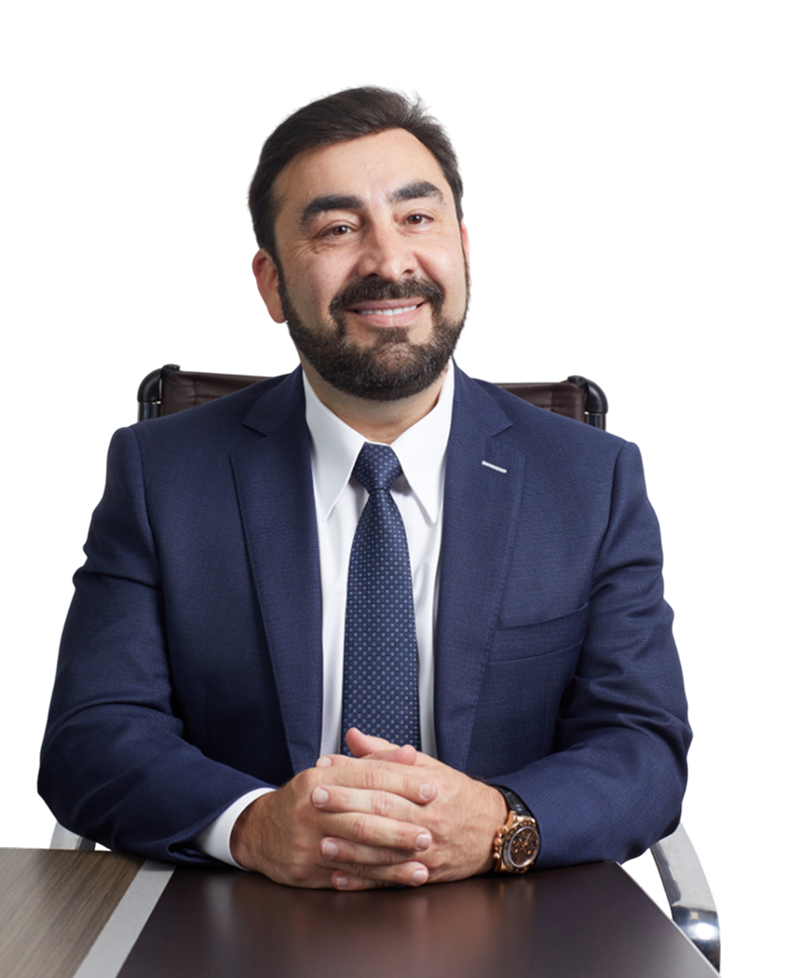
This page was written, edited, reviewed & approved by Ruben Davidoff following our comprehensive editorial guidelines Ruben Davidoff, the Founding Partner, has 30+ years of legal experience as a New York personal injury attorney.
Pedestrian accidents caused by ride-share drop-offs blocking crosswalks occur when a vehicle stops where people should be able to cross safely. In many cities, a pedestrian steps into a crosswalk only to find their view blocked by a ride-share car. That blockage creates blind spots and pushes injured pedestrians toward oncoming traffic.
Table of Contents
According to national data, pedestrian fatalities continue to rise in dense urban areas, with thousands of traffic deaths each year. These pedestrian crashes often involve distracted driving, driver negligence, and failures to follow traffic laws. At Davidoff Law, we help injured pedestrians understand how these dangerous stops create liability and support strong personal injury claims. This guide explains pedestrian safety risks, who may be liable, and how to pursue compensation after a crash.
How Blocked Crosswalks Cause Accidents
Blocked crosswalks turn a safe space into a major problem for vulnerable road users. A ride-share car that stops in a crosswalk violates NYCTRR § 4-08(e)(5), which prohibits stopping or standing in these zones. Pedestrians then face vehicle speed, dense traffic, and aggressive driving behaviors. These conditions increase pedestrian injuries and fatal pedestrian crashes.
Creating Blind Spots for Pedestrians and Oncoming Traffic
When a ride-share vehicle blocks marked or unmarked crosswalks, it creates blind spots on both sides. Pedestrians cannot see oncoming traffic, and drivers cannot see people crossing. This risk grows at busy intersections and mid-block crossings. Poor lighting, bad weather, or overgrown trees make the danger worse.
Forcing Pedestrians to Walk into Active Traffic Lanes
A blocked path often forces people to step into traffic lanes, exposing them to distracted drivers and delivery trucks. That move exposes them to distracted and impaired drivers, as well as delivery trucks. Long crossing distances raise the chance of serious injuries or pedestrian deaths. These traffic crashes often happen in seconds.
Primary Causes and Contributing Factors in These Crashes
The illegal stop is only one of several key factors in these accidents. Many pedestrian accidents involve multiple contributing factors. Driver negligence, passenger actions, and road design issues all play a role. Understanding the causes of pedestrian accidents helps prove a personal injury claim.
Driver Negligence: Illegal Stopping and Distracted Driving
Ride-share drivers may stop in designated crosswalks or ignore lower speed limits. Distracted driving, phone use, and missed pedestrian signals increase the risk. A driver’s failure to follow traffic laws often leads to pedestrian fatalities. This conduct meets the legal threshold for negligence under California law.
Passenger Negligence: Exiting into Traffic or Distracting the Driver
Passengers may open doors into traffic or distract the driver during drop-offs. Sudden exits can push pedestrians into unsafe areas. These actions can contribute to traffic fatalities and severe injuries. They are important risk factors when fault is shared.

Who is Liable in a Ride-Share Drop-Off Pedestrian Accident?
Liability in these cases can involve more than one party. While the driver is often responsible, the ride-share company may share fault depending on the driver's status in the app. Each case depends on police reports, traffic camera footage, and witness statements. We review all evidence to identify others’ negligence.
The Ride-Share Driver's Direct Responsibility
The ride-share driver has a duty to protect pedestrian safety. Blocking designated crosswalks or ignoring traffic signals breaches that duty. Thisdriver'sr negligence can cause traumatic brain injuries, visible injuries, and lost income. The driver is often the first liable party.
When the Ride-Share Company May Share Liability
In some cases, the ride-share company may share responsibility. App policies, driver pressure, or lack of training can contribute to dangerous conditions. If the driver was "on the clock," New York's Vehicle and Traffic Law Article 44-B mandates specific insurance coverage levels. If company actions encouraged unsafe stops, liability may extend beyond the driver. This can increase available insurance coverage.
Other Motorists and Delivery Drivers: The Chain Reaction Crash
Other drivers may also contribute to the crash. Delivery drivers or delivery trucks may speed or fail to yield. Dense traffic can turn one mistake into a chain reaction. Each party’s role matters when we pursue compensation.
Critical Steps to Take Immediately After the Accident
What you do after the crash can shape your accident claim. Quick action protects your health and your rights. Evidence can fade fast at busy intersections. We guide injured pedestrians through each step.
Seek Medical Attention: Documenting Injuries is Paramount
Always seek medical attention after a pedestrian accident. Some serious injuries appear hours or days later. Medical records link your injuries to the crash and support medical bills. They also show the need for physical therapy and future care.
Gather Evidence: Photos, Witnesses, and Driver Information
If safe to do so, gather evidence at the scene. Take photos of missing signage, poor lighting, and vehicle positions. Collect witness statements and driver details. This helps prove driver negligence and contributing factors.
Report the Accident to the Police and the Ride-Share App
Call the police so officers can create police reports. These reports document traffic laws, pedestrian signals, and road safety issues. Also, report the crash through the ride-share app. Both records support your personal injury claim.
Understanding New York's Comparative Negligence Rule
Even if a pedestrian was crossing outside a signal, they may still recover compensation. Under New York's comparative negligence law, your recovery is simply reduced by your percentage of fault. We work to ensure insurers do not unfairly shift blame to you. It often becomes a key issue in pedestrian crashes.
How "Shared Fault" Can Impact Your Claim
If you share fault, your recovery may be reduced. For example, crossing outside a walk signal may lower damages. However, it does not erase your claim. We work to limit unfair fault claims.
Common Defenses: Were You Distracted as a Pedestrian?
Insurers often argue that pedestrians were distracted. They may claim phone use or failure to stay alert. We counter these defenses with traffic camera footage and witness statements. Facts matter more than blame tactics.
High-Risk Zones for Pedestrian Accidents
Location plays a major role in pedestrian accidents. Certain areas see more traffic deaths and pedestrian fatalities. Ride-share activity increases risks in specific zones. Knowing these patterns strengthens a case.
Busy Intersections and Nightlife Districts
Busy intersections attract ride-share drop-offs and dense traffic. Nightlife districts contribute to poor lighting and impaired driving. School zones and areas with lower speed limits still face risks. Pedestrians must exercise extra caution, but drivers must follow the law.
Construction Zones with Already-Compromised Walkways
Construction zones often have missing sidewalks and missing signs. Barriers, equipment, and long crossing distances confuse pedestrians. These dangerous conditions increase pedestrian injuries. Drivers must slow down and protect vulnerable road users.
At Davidoff Law, we provide clear legal guidance after devastating consequences caused by someone else’s negligence. We help injured pedestrians recover compensation for medical costs, lost wages, and lost income. Our legal representation focuses on facts, safety, and justice. If you were hurt, we are ready to help you move forward.
Why Legal Representation is Essential for Your Case
Claims involving ride-share crashes are hard to handle alone. These cases often involve large insurers, layered policies, and fast-moving defense teams. We see drivers and companies shift blame to injured pedestrians. Working with a personal injury attorney helps protect your rights and keeps the focus on driver negligence. At Davidoff Law, we guide clients through this process from day one.
Ride-share insurers often look for ways to limit payouts. They may argue about driver status, coverage gaps, or shared fault. We know how these companies operate and how to respond. Our legal representation levels the field and helps injured pedestrians pursue compensation.
Investigating the Driver's Status and Insurance Coverage
Ride-share coverage depends on what the driver was doing at the time of the crash. We confirm if the driver was logged into the app, waiting for a ride, or dropping off a passenger. Each status triggers different insurance limits. This step is critical to identify available coverage. Without it, claims may be delayed or denied.
Negotiating with Ride-Share Insurers Seeking to Minimize Payouts
Insurers often downplay injuries or question medical care. They may rush low offers before the full impact is known. We push back with facts, records, and clear timelines. Our goal is fair payment, not quick settlements. Strong negotiation helps recover compensation that reflects real losses.


Seeking Compensation for Injuries and Losses
Pedestrian accidents often lead to serious injuries and high costs. Compensation aims to cover both financial and personal harm. These claims focus on what the injured person lost due to someone else’s negligence. We build claims that reflect real-life impact, not just numbers.
Damages may include:
- Medical bills and future treatment
- Lost wages and lost income
- Pain, suffering, and emotional trauma
Each case is different, but the goal stays the same. We seek full recovery under the law.
Medical Bills, Lost Wages, and Future Care Costs
Medical bills often start right after the crash. They can include emergency care, surgery, and physical therapy. Many injured pedestrians also miss work or lose earning ability. Future care costs matter when injuries require long-term treatment. We document every expense to support the claim.
Pain, Suffering, and Emotional Trauma
Not all harm shows on scans or reports. Pain and emotional stress can change daily life. Anxiety, sleep issues, and fear of traffic are common after pedestrian crashes. These losses deserve value under the law. We present them clearly and with care.
How an Attorney Investigates a Blocked Crosswalk Accident
Strong cases rely on strong investigations. We look beyond the crash itself to find contributing factors. Blocked crosswalks often involve poor design, missing signs, or a lack of adequate lighting. Each detail helps show how the crash happened. Our process focuses on facts and proof.
We gather records early before the evidence disappears. Time matters in traffic cases. A clear investigation helps show fault and counter-defense claims. This approach supports fair outcomes.
Obtaining Ride-Share Trip Data and Driver Logs
Ride-share data shows what the driver was doing before the crash. We request trip records, timestamps, and driver logs. This data confirms location, speed, and app status. It can prove illegal stops in crosswalks. These records often make or break liability claims.
Securing Traffic Camera and Business Surveillance Footage
Video footage provides unbiased proof. We look for traffic cameras, store cameras, and nearby building systems. Footage may show blocked crosswalks, vehicle speed, and pedestrian movement. Poor lighting or missing signage often appears on video. This evidence strengthens the case.
Fatal Pedestrian Crashes: Wrongful Death Claims
When a crash results in pedestrian deaths, families can pursue a wrongful death claim. According to the NHTSA, failure to yield at crosswalks is a leading factor in fatal crashes. These claims help families recover funeral costs and lost financial support.
Wrongful death claims aim to hold the responsible parties accountable. They also help families regain stability after loss. We guide families through each step with respect. Legal action cannot replace a life, but it can bring answers.
Who Can File a Wrongful Death Lawsuit in New York
New York law limits who may file a wrongful death claim. Usually, a personal representative files on behalf of the surviving family members. This may include spouses, children, or dependents. The process follows strict rules and deadlines. We help families meet these legal requirements.
Damages in a Fatal Pedestrian Crash Case
Damages may cover funeral costs and medical expenses before death. Families may also recover lost financial support and benefits. Emotional loss and guidance value matter in these claims. Each case reflects the life that was lost. We work to honor that life through careful advocacy.
Frequently Asked Questions (FAQs)
No, a quick stop still breaks traffic laws. Blocking a crosswalk is illegal and unsafe at any time. We see these stops create blind spots that lead to pedestrian accidents.
It depends on the driver’s status at the time of the drop-off. We investigate app data, trip logs, and insurance rules. This shows whether the company shares liability for pedestrian injuries.
Comparative negligence may apply under New York law. Your compensation may be reduced, not denied. We focus on the driver’s failure that caused the crash.
Photos of the blocked crosswalk are critical. Witness statements and police reports add strong support. Medical records link your injuries to the crash.
Most pedestrian accident claims have a three-year deadline. The clock starts on the crash date. We track deadlines to protect your rights.
We handle ride-share pedestrian cases often. We understand insurer tactics and liability gaps. We provide strong legal representation from start to finish.
Injured by a Blocked Crosswalk? Contact Our Pedestrian Accident Lawyer Today
Pedestrian accidents caused by blocked crosswalks are preventable and often severe. Distracted drivers who ignore traffic laws endanger pedestrians and other vulnerable road users. Insurance companies may delay or deny claims when people act alone. We have a proven record of holding negligent drivers and ride-share companies accountable. At Davidoff Law, we guide injured pedestrians through every step and focus on real recovery, not shortcuts.
Contact Davidoff Law today for a free, confidential case evaluation with a dedicated pedestrian accident attorney. Let us fight for the compensation you need to recover.
Davidoff Law Personal Injury Lawyers
- 75-60 188th Street, Fresh Meadows, NY 11366
- (718) 900-0000
Davidoff Law Personal Injury Lawyers - New York City
- 60 E 42nd Street, Suite 1720, New York, NY 10165
- (212) 900-0000
APPOINTMENT ONLY
Davidoff Law Personal Injury Lawyers - Bronx
- 2322 Arthur Ave, 207, Bronx, NY 10458
- (516) 830-0956
Queens Personal Injury Lawyer Ruben Davidoff
- 108-18 Queens Blvd., Suite 404, Queens NY 11375
- (718) 268-8800

Ruben Davidoff, founder of Davidoff Law, established his practice in 2012 after moving to Queens in 1988 and beginning his legal career in 1997. Admitted in NY State and the US District Court for the Eastern District of NY, he has extensive experience in personal injury, handling various cases like airline crashes, auto accidents, and slip/trip and fall cases. Mr. Davidoff provides personalized attention, recovering millions for clients through settlements or verdicts, leveraging decades of experience.


