



This page was written, edited, reviewed & approved by Ruben Davidoff following our comprehensive editorial guidelines Ruben Davidoff, the Founding Partner, has 30+ years of legal experience as a New York personal injury attorney.

Lyft is one of the most popular rideshare services, but like any transportation service, accidents can happen. When an accident occurs, the primary question for victims is: Whose insurance will cover the costs? Lyft's insurance policy is complex and has different coverage limits depending on the Lyft driver's status in the rideshare app. At times, Lyft insurance coverage may provide substantial protection, while at other times, it may not cover all the medical bills and property damage.
Table of Contents
In this guide, we'll answer the question: "What are the Lyft insurance policy limits?" and explain what each phase means for those injured in a Lyft accident. At Davidoff Law Personal Injury Lawyers, our Lyft accident lawyers are experienced in handling these complex Lyft accident claims and ensuring you receive fair compensation.
Understanding the Lyft Insurance Model
Lyft insurance coverage is not a simple, one-size-fits-all insurance policy. Instead, Lyft employs a contingent coverage system that varies based on the driver's activity at the time of the accident. This layered system means that the level of insurance coverage you can receive will vary based on whether the rideshare driver is available on the rideshare app, en route to pick up a passenger, or actively driving a passenger. It's important to understand how these layers of coverage work, as they directly impact your ability to seek compensation after an accident.
Why the Driver's App Status is Everything
The key factor in determining which insurance coverage applies during a Lyft accident is the driver's status on the Lyft services app. The driver's personal auto insurance policy is the primary line of defense, but Lyft insurance takes effect depending on the driver's actions at the time of the crash.
App Off (Period 0): If the Lyft driver has the app off, they are not working. In this case, only the driver's personal auto insurance is in effect. If the driver's personal policy doesn't provide insurance coverage for the damages, you may be left without sufficient insurance.
App On, Waiting for a Ride Request (Period 1): If the rideshare driver is online but hasn't accepted a ride request yet, Lyft's contingent coverage may apply. The coverage is limited in this period and depends on whether the driver's personal auto insurance policy is enough to cover the damages.
En Route to Pick Up a Passenger (Period 2): When the Uber or Lyft driver is en route to pick up a passenger, Lyft's commercial insurance coverage becomes more significant. During this period, Lyft's third-party liability coverage and uninsured underinsured motorist coverage help cover medical expenses and property damage if the driver is at fault for the crash.
Passenger in the Vehicle (Period 3): When the Lyft driver has a passenger in the vehicle, Lyft's $1 million liability coverage provides the most comprehensive protection. This includes coverage for bodily injury, medical bills, and lost wages for injured passengers.
The Difference Between Contingent and Primary Coverage
Understanding the difference between contingent and primary coverage is crucial when navigating Lyft insurance claims.
Contingent Coverage: This is Lyft's secondary coverage, which activates only if the driver's personal auto insurance is not enough to cover the damages. Lyft's contingent coverage can be limited and often does not fully cover medical expenses or lost income.
Primary Coverage: This is the primary insurance coverage provided by Lyft when the driver is actively transporting a passenger. This coverage includes $1 million in liability coverage, third-party liability coverage, and uninsured underinsured motorist coverage. Lyft's primary coverage provides more protection for accident victims, ensuring that medical treatment and other damages are covered.
Understanding the layers of Lyft insurance and contingent coverage can be complicated. At Davidoff Law Personal Injury Lawyers, we are skilled in navigating insurance claims to ensure that all parties involved in the rideshare accident are held accountable. If you've been injured in a Lyft accident, contact us for a free consultation to discuss your legal options and pursue the maximum compensation you deserve.
Phase 1: App Off – No Lyft Insurance Coverage

When the Lyft driver is not working, such as when the app is off, they are considered like any other private motorist using their own car. Lyft does not provide insurance coverage during this phase. If an accident happens while the driver is off-duty, the responsibility for covering damages falls solely on the driver's personal policy. During this phase, Lyft's insurance provider does not offer rideshare insurance. This means accident victims may only rely on the driver's personal auto insurance policy for compensation.
Reliance on the Driver's Personal Insurance Policy
In Phase 1, when the Lyft driver is not active on Lyft services, their personal insurance is the only coverage available. This is the same as any other private motorist on the road. If the driver's personal auto insurance policy doesn't cover the full costs of the accident, the victim could be left without sufficient insurance. This often leaves the injured party trying to seek compensation directly from the driver's personal auto insurance. Unfortunately, personal auto insurance may not provide sufficient coverage to fully cover medical expenses or property damage.
Risks for Accident Victims in This Phase
The biggest risk for accident victims in this phase is the lack of sufficient insurance coverage. If the Lyft driver doesn't have adequate personal auto insurance, there may not be enough coverage for the victim's medical treatment, pain and suffering, or lost wages. Lyft does not provide insurance coverage, leaving victims to deal with insurance companies independently. This phase can be especially frustrating for victims, as the typical insurance claims process may not cover the full scope of damages caused by accidents.
Phase 2: App On, Waiting for a Ride Request
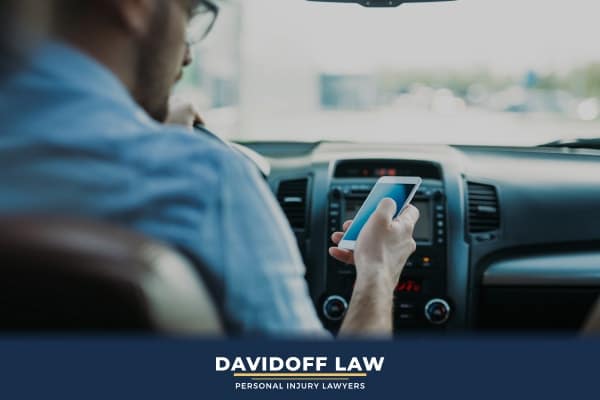
This phase can be misunderstood. The Lyft driver is logged into the rideshare app, but has not yet accepted a ride request. Lyft insurance coverage is contingent and limited during this time. While the rideshare driver is available to accept rides, Lyft provides basic coverage, but only if the driver's personal insurance is insufficient. Victims may face challenges when disputing liability, as Lyft's insurance provider offers limited third-party liability coverage during this period.
Contingent Liability Coverage: $50,000/$100,000/$25,000
In Phase 2, Lyft insurance provides contingent liability coverage. This means that Lyft insurance only activates after the driver's personal auto insurance policy has been exhausted. Lyft's coverage limits during this phase are typically $50,000 per person for bodily injury, $100,000 total for bodily injury per accident, and $25,000 for property damage. While these amounts may be helpful, they often aren't enough to fully cover medical expenses or property damage in serious rideshare accidents. In these situations, uninsured or underinsured motorist coverage can become a crucial resource.
What "Contingent" Means for Your Claim
"Contingent coverage" means that Lyft insurance is secondary to the policyholder's primary insurance. If the driver has sufficient insurance through their personal policy, then Lyft insurance won't cover the accident. If the driver's personal auto insurance cannot cover the damages, then Lyft's contingent coverage will provide partial compensation. This is why it's essential to verify if the driver's personal policy provides sufficient insurance before relying on Lyft's coverage. Without the right insurance coverage, victims may struggle to recover their full damages in this phase and may need to pursue a personal injury lawsuit.
Uninsured/Underinsured Motorist Coverage in Phase 2
If the driver is at fault in an accident and they don't have enough auto insurance to cover your injuries, Lyft's insurance provider may offer uninsured or underinsured motorist coverage in Phase 2. This motorist coverage can help you recover compensation for medical bills, property damage, and lost wages if the Lyft driver or another motorist is either uninsured or underinsured. However, this uninsured or underinsured motorist coverage may still be limited, and victims often face challenges in receiving the maximum compensation they need for their personal injury damages.
Phase 3: En Route to Pickup or On a Trip

Once a Lyft driver accepts a ride request and is either en route or has a passenger in the vehicle, Lyft's highest level of commercial insurance is active. This phase offers the most comprehensive coverage for accident victims, including $1 million in primary liability coverage and comprehensive and collision coverage. This substantial insurance coverage is a key protection for Lyft passengers and others involved in the rideshare accident.
$1 Million in Primary Liability Coverage
In Phase 3, when a Lyft driver is actively driving with a passenger, Lyft provides $1 million in primary liability coverage. This primary coverage applies if the Lyft driver causes an accident, covering bodily injury, property damage, and medical bills. This high level of protection helps ensure injured passengers or other victims have access to sufficient insurance for their medical treatment, lost income, and pain and suffering. With this $1 million coverage, Lyft provides one of the most extensive protections for rideshare accidents among rideshare companies.
Comprehensive and Collision Coverage (with Deductible)
During Phase 3, Lyft insurance also provides comprehensive and collision coverage. This comprehensive coverage and collision coverage protect against damage to the Lyft vehicle if the driver is found to be at fault. The deductible for this coverage is typically the responsibility of the Lyft driver, but it ensures the commercial vehicle is repaired if involved in an accident. However, this coverage is specific to Lyft vehicles and may not apply to personal vehicles used by Uber or Lyft drivers in their day-to-day operations when they use their own car.
The Scope of the $1 Million Limit
The $1 million limit for primary liability coverage in Phase 3 includes both third-party liability and personal injury protection. This is one of the highest levels of rideshare insurance coverage available, but it's not unlimited. Insurance companies may still dispute parts of a claim, especially for pain and suffering or lost wages that exceed Lyft's coverage limits. Understanding the full scope of this coverage is critical to seeking compensation for your rideshare accident and navigating the claims process effectively.
At Davidoff Law Personal Injury Lawyers, we understand the complexities of Lyft insurance and can help you navigate insurance claims. If you've been injured in a Lyft accident, we are here to help you collect evidence, dispute liability, and recover the maximum compensation for your injuries. Contact us today for a free case evaluation.
How Lyft's Policy Compares to Uber and Traditional Insurance

Understanding how Lyft's insurance policy compares to Uber's and traditional auto insurance is important when seeking compensation after a rideshare accident. While the models are similar, each has its own set of rules and coverage limits that can affect your claim strategy. Lyft and Uber drivers both work as independent contractors for rideshare companies that provide rideshare coverage, but they differ in their coverage limits and how they apply their insurance. Understanding these differences can help you navigate the claims process more effectively and ensure you receive the maximum compensation for your injuries.
Insurance Type | Lyft | Uber | Traditional Auto Insurance |
|---|---|---|---|
Coverage during App Off | Driver's personal auto insurance | Driver's personal insurance | Driver's personal auto insurance policy |
Coverage during App On | Contingent coverage | Contingent coverage | Not applicable |
Coverage while en route | Commercial insurance ($1M) | Commercial insurance ($1M) | Not applicable for rideshare use |
Coverage for Injured Passengers | $1M liability coverage | $1M liability coverage | Not applicable unless in a commercial vehicle |
Uninsured/Underinsured Motorist | Included in some cases | Included in some cases | Depends on personal insurance policy |
Overcoming Challenges with Lyft's Insurance

While Lyft insurance coverage seems clear, recovering full compensation can still be challenging. Insurance companies often have strategies to limit their payout, even when the coverage is available. This can be especially frustrating when you're dealing with serious personal injury or multiple parties involved in the accident. At Davidoff Law Personal Injury Lawyers, we fight to make sure you receive fair compensation for all your medical bills, lost wages, and other damages.
Disputes Over the Driver's App Status
One common challenge is determining the driver's status at the time of the accident. If the driver was not actively driving for Lyft services at the time of the incident, Lyft insurance may not apply. This can create a challenging situation for accident victims, who may only have access to the driver's personal auto insurance. Government involvement may be necessary in some cases to clarify insurance coverage responsibilities, particularly in no-fault states where the claims process differs significantly from traditional fault-based systems.
When Insurance Companies Dispute the Severity of Injuries
Another challenge is when insurance companies dispute the severity of your injuries. They may attempt to minimize your medical expenses or refuse to cover them for pain and suffering. Insurance adjusters may argue that your injuries are not as severe as you claim, leaving you with less compensation than you deserve. An experienced attorney can help gather evidence, document your need to seek medical attention, and fight for the maximum compensation in these cases.
At Davidoff Law Personal Injury Lawyers, we understand the challenges involved in Lyft accident claims and are here to help you seek compensation. Whether you're dealing with Lyft's insurance provider, disputes when you dispute liability, or personal injury damages caused by negligent rideshare services, we'll guide you through the process to ensure you receive the fair compensation you deserve. Contact us for a free consultation and let us help you get the justice you need.
Frequently Asked Questions
Does Lyft have insurance for hit-and-run accidents?
Yes, Lyft insurance can cover hit-and-run accidents through uninsured underinsured motorist coverage during specific periods, depending on the rideshare driver's status in the app. This motorist coverage is part of Lyft's insurance policy and can help cover medical bills and property damage.
What if the at-fault driver's personal insurance denies my claim during Phase 2?
If the at-fault driver's personal auto insurance denies your claim during Phase 2, Lyft's contingent coverage may assist, depending on the driver's status and individual circumstances. You should seek medical attention immediately and consult an experienced attorney about your legal options.
Does this insurance cover Lyft passengers?
Yes, Lyft passengers are covered by Lyft insurance during Phases 2 and 3, when the driver is en route or actively transporting a passenger. Injured passengers have access to the full $1 million liability coverage during Phase 3.
How does Lyft's $1 million policy work with multiple injured victims?
If multiple victims are injured, Lyft's $1 million insurance policy provides a shared fund for all victims. The amount each person receives depends on the severity of their injuries and the individual circumstances of the rideshare accident.
What should I do immediately after a Lyft accident to protect my insurance claim?
After a Lyft accident, seek medical attention right away, collect evidence from the accident scene, get the driver's information, and report the incident to Lyft and the police. Document all medical treatment and expenses to strengthen your insurance claims.
Why do I need a lawyer to deal with Lyft's insurance company?
A personal injury attorney can help you navigate Lyft's insurance policy complexities, ensure all layers of insurance coverage are explored, understand your legal options, and fight for fair compensation through the claims process.
Injured in a Lyft Accident? Our Lyft Accident Lawyers Can Secure the Coverage You Deserve

Lyft's insurance structure is complex. Victims face experienced insurance adjusters who minimize payouts. At Davidoff Law Personal Injury Lawyers, we investigate and establish the driver's status to trigger correct insurance coverage under the Lyft insurance policy limits.
Whether coverage comes from the driver's personal auto insurance policy or Lyft's $1 million commercial insurance, we maximize your recovery. Our experienced attorney team navigates insurance claims with multiple insurance companies.
Contact us today for a free consultation. We work on a contingency basis—no cost unless we win. Let us help you recover fair compensation for your medical bills and lost income.
Davidoff Law Personal Injury Lawyers
- 75-60 188th Street, Fresh Meadows, NY 11366
- (718) 900-0000
Davidoff Law Personal Injury Lawyers - New York City
- 60 E 42nd Street, Suite 1720, New York, NY 10165
- (212) 900-0000
APPOINTMENT ONLY
Davidoff Law Personal Injury Lawyers - Bronx
- 2322 Arthur Ave, 207, Bronx, NY 10458
- (516) 830-0956
Queens Personal Injury Lawyer Ruben Davidoff
- 108-18 Queens Blvd., Suite 404, Queens NY 11375
- (718) 268-8800

Ruben Davidoff, founder of Davidoff Law, established his practice in 2012 after moving to Queens in 1988 and beginning his legal career in 1997. Admitted in NY State and the US District Court for the Eastern District of NY, he has extensive experience in personal injury, handling various cases like airline crashes, auto accidents, and slip/trip and fall cases. Mr. Davidoff provides personalized attention, recovering millions for clients through settlements or verdicts, leveraging decades of experience.


