


This page was written, edited, reviewed & approved by Ruben Davidoff following our comprehensive editorial guidelines Ruben Davidoff ,the Founding Partner, has 30+ years of legal experience as a New York personal injury attorney.
Pedestrian accidents caused by poorly marked temporary crosswalks happen when people are forced to cross streets without clear guidance or protection. These crossings often appear in construction zones or event areas, confusing both pedestrians and drivers. Faded tape, missing signs, and poor lighting create a serious risk, especially on busy streets with heavy vehicle traffic.
Table of Contents
The Federal Highway Administration reports that work zone crashes, including pedestrian collisions, have increased in recent years, with poor visibility listed as a leading factor. At Davidoff Law, we see how these hazardous conditions combine with driver negligence to cause serious injuries and pedestrian fatalities. This guide explains why these accidents occur, who may share responsibility, and how accident victims can recover compensation.
What Defines a “Poorly Marked” Temporary Crosswalk?
A temporary crosswalk must still meet basic safety standards. Traffic laws require clear notice to drivers and a safe path for pedestrians. When markings fail, pedestrians lose the right-of-way protection they expect. These failures increase pedestrians' risk in urban areas. We often see accidents occur because the crossing was not designed to be safe, requiring a Queens pedestrian accident lawyer to investigate whether the site complies.
Temporary crosswalks should guide both pedestrian and vehicular traffic. They must account for speed limits, traffic signals, and driver sight lines. When these elements are missing, pedestrians involved are at risk. Poor judgment by planners becomes a significant factor. These design flaws often lead to legal action, especially when truck accidents involving pedestrians occur in tight construction zones.
Inadequate Signage, Faded Lines, and Missing Flags
Many temporary crosswalks rely on cones, tape, or paint. Over time, these fade or fall over. Missing signs and flags leave drivers unaware of a pedestrian crossing. This creates unmarked crosswalks in practice. According to the Manual on Uniform Traffic Control Devices (MUTCD), temporary traffic control zones must use highly visible materials to maintain safety.
Poor Lighting and Lack of Advance Warning for Drivers
Poor visibility makes temporary crossings dangerous at night or during bad weather. Without lighting or warning signs, a driver’s view is limited. Oncoming traffic may not slow down in time. Adverse weather makes this worse. These failures increase the chance of severe injuries.
How Poor Markings Directly Lead to Pedestrian Accidents
Hazardous conditions at temporary crossings directly cause traffic crashes. Pedestrians cannot tell when it is safe to cross. Drivers may not realize people are in the roadway. This confusion leads to crosswalk accidents with serious outcomes. We often link the crash to the unsafe setup itself.
Poor markings force pedestrians into unsafe decisions. Limited mobility, inclement weather, or crowded sidewalks add pressure. Male pedestrians and older adults face added risk at high speeds. Such crashes are preventable with proper planning, and victims may need to pursue pedestrian accident settlements to cover their mounting losses.
Confusion for Pedestrians About Right-of-Way
Pedestrians rely on clear signals to cross safely. When markings are unclear, they guess. This confusion leads to crossing against traffic or at red lights. Pedestrians' rights are compromised. These conditions increase the chance of a pedestrian injury.
Driver Failure to Yield Due to Unclear Path
Drivers expect marked crosswalks to be obvious. When they are not, drivers fail to yield. Distracted driving or paying attention elsewhere adds danger. Red light running may occur at poorly marked crossings. This negligent behavior leads to pedestrian collisions, often resulting in a distracted driving accident claim against the motorist.


Determining Liability: It’s Often More Than Just the Driver
Liability in these cases often involves multiple parties. While a negligent driver may be at fault, others may share responsibility. Cities, contractors, and event organizers all play roles in road safety. Identifying all responsible parties is key to recovering fair compensation. We conduct a thorough investigation in every case, particularly when a school zone car accident involves temporary changes to student walking routes.
Crash data, police reports, and surveillance footage help reveal the full picture. Witness statements also show how the accident happened. Insurance adjusters often try to limit claims. We push back with facts and evidence. This approach supports a fair settlement.
Driver Negligence: Speed, Distracted Driving, and Impaired Driving
Drivers must adjust to changing road conditions. Speeding through a temporary crosswalk shows poor judgment. According to the NHTSA, speeding reduces a driver’s ability to steer safely around curves or objects in the roadway. A negligent driver may still bear major fault. These actions often cause pedestrian accidents with devastating consequences.
Government Liability: NYC DOT and Public Works Departments
Cities must maintain safe pedestrian crossings, even temporary ones. Missing signs or failure to follow traffic laws can create liability. Poor planning or insufficient warnings endanger pedestrians. Government agencies may be held accountable through a Queens school accident lawyer if the city failed to protect students near campus construction.
Contractor Liability: Construction and Event Companies
Construction and event companies often control temporary crossings. They must follow safety plans and road safety rules. Failure to mark crossings properly creates hazardous conditions. These companies may share responsibility, especially in a commercial truck accident where heavy equipment blocked the view of a temporary path.
The Critical Role of Evidence in These Complex Cases
Proving that a temporary crosswalk was unsafe requires fast, focused action. Evidence can disappear once construction crews move or weather conditions change. We collect evidence showing why pedestrians faced a higher risk at the scene. Data from the IIHS shows that improved infrastructure and clear markings are essential to preventing urban pedestrian fatalities. A pedestrian accident lawyer plays a key role at this stage.
Strong cases rely on clear facts from the start. We look at the following factors that often cause these crashes. These include poor markings, missing signs, and unsafe layouts. Each detail supports a claim to recover damages. Early evidence gives accident victims crucial support.
Photographing the Scene For Faded Marks and Missing Signs
Photos capture the true condition of the crosswalk. We look for faded paint, missing cones, and unclear paths. Images also show lighting and traffic flow. These details help explain why the crossing was unsafe. They often become key proof.
Obtaining Work Permits and Contractor Safety Plans
Temporary crosswalks require permits and safety plans. We request these records from contractors and the city. Missing or ignored plans show negligence. This evidence links planning failures to the crash. It helps assign fault clearly.
Witness Statements from Other Pedestrians and Drivers
Witnesses often saw the danger before the crash. Other pedestrians may describe confusion or near misses. Drivers may confirm poor visibility or unclear signs. We record statements early while memories are fresh. These accounts support liability claims.
Common and Severe Injuries from Crosswalk Accidents
Pedestrians have little protection during a collision. Crosswalk accidents often cause serious injuries. Impact with a vehicle or pavement leads to lasting harm. Many victims face long recovery periods, which is why wrongful death claims are unfortunately common when infrastructure fails.
Severe injuries increase medical costs and stress. Some victims cannot return to their jobs right away. Lost income adds pressure on families. A personal injury lawyer helps document these losses. Proper records support fair compensation.
Head Trauma, Spinal Injuries, and Fractures
Head injuries are common in pedestrian crashes. Spinal injuries can limit movement or cause pain. Broken bones may need surgery and therapy. Recovery can take months. These injuries often change lives, and we assist clients in navigating uninsured motorist coverage if the driver at fault lacks proper insurance.
Internal Injuries and Long-Term Disability
Internal injuries may not appear right away. Organ damage can become life-threatening. Some victims face permanent limits or disability. Long-term care may be required. These injuries increase claim values.


How a Pedestrian Accident Lawyer Investigates Your Claim
Temporary crosswalk cases often involve many parties. We look beyond the driver to find full responsibility. Cities, contractors, and event planners may share fault. This investigation requires experience and resources. We handle this process step by step.
Our team builds cases using experts and records. We analyze design choices and safety failures. Each action supports accountability. This approach helps victims recover damages. It also strengthens settlement positions.
Consulting Traffic Engineering and Safety Experts
Experts review crosswalk design and traffic flow. They explain how the setup increased risk. Their opinions support claims of unsafe conditions. Courts and insurers respect expert analysis. This adds weight to the case.
Subpoenaing City Records and Contractor Communications
We request emails, plans, and permits. These records show who controlled the site. They may reveal ignored warnings or delays. Such proof links decisions to harm. It helps establish liability.
Seeking Fair Compensation
Compensation covers more than medical bills. Victims may face long-term effects from their injuries. We calculate damages based on real impact. This includes financial and personal losses. Our goal is fair recovery.
Damages often include several categories:
- Medical costs and future care
- Lost income and reduced earning ability
- Pain and life changes
Each case is unique. We tailor claims to each client’s needs.
Medical Expenses, Rehabilitation, and Future Care
Medical expenses start immediately after a crash. Rehab and therapy may last months or years. Some injuries need future treatment. We include all projected costs. This supports full compensation.
Lost Income and Loss of Future Earning Capacity
Many victims miss work during recovery. Some cannot return to the same job. Lost income affects stability and plans. We document wages and career impact. This loss deserves compensation.
Pain, Suffering, and Reduced Quality of Life
Injuries affect more than finances. Pain limits movement and enjoyment. Daily tasks may become harder. Changes in quality of life matter under the law. We present these losses clearly.
At Davidoff Law, we provide crucial support after pedestrian accidents. We fight to hold every at-fault party accountable. Our team works to recover damages and protect your future. If you need help, we are ready to stand with you.
Frequently Asked Questions (FAQs)
Yes, the city can be responsible in some cases. We look at whether city workers failed to maintain signs, paint, or lighting. Strict notice of claim deadlines apply, so fast action matters.
You may still recover compensation under New York law. Comparative negligence allows recovery even if you share some fault. Your compensation may be reduced based on responsibility.
We move fast to preserve proof. Our team photographs the scene and gathers witness statements. We also request prior complaints and inspection records.
Each case value depends on injuries and impact. We review medical costs, lost income, and daily limits. A pedestrian accident lawyer helps seek fair compensation.
Liability often involves more than one party. The negligent driver may share fault with a city or contractor. We identify every responsible party.
We handle complex claims against large entities. Our team investigates thoroughly and builds strong cases. We fight for full compensation for our clients.
Don't Navigate a Complex Claim Alone—Contact Davidoff Law Today
Accidents in poorly marked temporary crosswalks reflect safety failures that pose a significant threat to pedestrian safety. Victims face pain, lost income, and a long recovery. Powerful entities often defend these cases aggressively. We provide skilled legal representation to level the field and help accident victims achieve full financial recovery. At Davidoff Law, we work to establish liability and secure the compensation our clients deserve.
For a free and confidential consultation with an experienced pedestrian accident lawyer, contact Davidoff Law to discuss your case and legal options.
Davidoff Law Personal Injury Lawyers
- 75-60 188th Street, Fresh Meadows, NY 11366
- (718) 900-0000
Davidoff Law Personal Injury Lawyers - New York City
- 60 E 42nd Street, Suite 1720, New York, NY 10165
- (212) 900-0000
APPOINTMENT ONLY
Davidoff Law Personal Injury Lawyers - Bronx
- 2322 Arthur Ave, 207, Bronx, NY 10458
- (516) 830-0956
Queens Personal Injury Lawyer Ruben Davidoff
- 108-18 Queens Blvd., Suite 404, Queens NY 11375
- (718) 268-8800
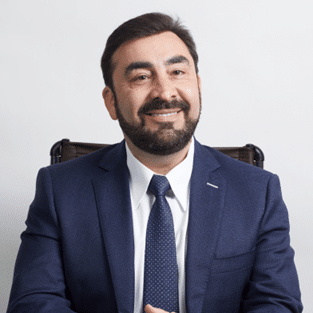
Ruben Davidoff, founder of Davidoff Law, established his practice in 2012 after moving to Queens in 1988 and beginning his legal career in 1997. Admitted in NY State and the US District Court for the Eastern District of NY, he has extensive experience in personal injury, handling various cases like airline crashes, auto accidents, and slip/trip and fall cases. Mr. Davidoff provides personalized attention, recovering millions for clients through settlements or verdicts, leveraging decades of experience.


