



This page was written, edited, reviewed & approved by Ruben Davidoff following our comprehensive editorial guidelines Ruben Davidoff ,the Founding Partner, has 30+ years of legal experience as a New York personal injury attorney.

Pedestrian accidents at night are a serious issue, especially when the pedestrian is outside a marked crosswalk. These accidents can lead to severe injuries, including internal bleeding, broken bones, or even death. Nighttime crashes are often more dangerous because of reduced visibility, faster traffic, and potential driver distractions.
Table of Contents
According to national data, a significant percentage of pedestrian deaths happen outside crosswalks, especially in poorly lit areas. In these cases, liability is not automatic. If you or a loved one has been struck by a car while crossing outside a marked crosswalk, it’s important to understand your legal rights. At Davidoff Law, we help victims navigate their pedestrian accident claim and recover compensation for medical bills, lost wages, and pain and suffering.
Why Nighttime Pedestrian Accidents Are More Severe
Pedestrian accidents at night tend to be more severe for several reasons. Reduced visibility makes it harder for drivers to see pedestrians, especially if they are wearing dark clothing. Additionally, drivers are often tired or impaired at night, increasing the risk of accidents. Traffic also tends to move faster at night, which can lead to more serious injuries. In some cases, it is difficult for drivers to judge the speed and distance of pedestrians in these conditions.
- Reduced visibility: At night, pedestrians are harder to spot, especially in poorly lit areas or when not wearing reflective clothing.
- Driver fatigue or impairment: Drivers may be more tired or under the influence of alcohol or drugs at night, which leads to slower reaction times.
- Faster traffic flow: At night, traffic may move more quickly, which increases the risk and severity of collisions.
Factors That Lead to Crashes Outside Marked Crosswalks

When pedestrians cross outside of marked crosswalks, several factors increase the chances of accidents. In the dark, both pedestrians and drivers are at greater risk due to poor visibility, distracted driving, and other hazards. Pedestrians often cross mid-block or between parked cars, further reducing their visibility. We explain how these common behaviors contribute to nighttime crashes.
Poor Lighting and Limited Driver Visibility
Poor lighting or no lighting in certain areas makes it harder for drivers to spot pedestrians. Pedestrians crossing outside of well-lit crosswalks may not be seen until it is too late. The driver’s ability to react quickly depends on the visibility of both the pedestrian and the surrounding area.
Pedestrians Crossing Mid-Block or Between Cars
When pedestrians cross the street mid-block or between parked cars, they reduce their visibility to drivers. Drivers may not expect someone to appear in the middle of the road, making it harder to react in time. This behavior puts both the pedestrian and driver at higher risk of collision.
Driver Speeding or Distracted Driving
Drivers who are speeding or distracted are more likely to miss a pedestrian crossing outside the crosswalk. Distracted driving—whether from texting, talking on the phone, or other distractions—makes it difficult for the driver to notice pedestrians. Speeding reduces the driver’s ability to stop in time, increasing the risk of severe injury.
Alcohol or Drug Impairment (Pedestrian or Driver)
Impaired pedestrians or drivers are a significant factor in pedestrian accidents. Alcohol and drugs impair both the driver’s and pedestrians’ ability to make good decisions. In these cases, the likelihood of a crash increases, and liability can become more complicated.
New York Laws on Pedestrians Crossing Outside Crosswalks
When we explain New York rules, we start with how traffic laws treat mid-block crossings. Under state law, anyone crossing outside marked or unmarked crosswalks must yield to any motor vehicle. At these points, no one has the right of way, even if the pedestrian is crossing legally under safe conditions. Drivers still have a legal duty to use reasonable caution and avoid hitting someone seen in the road.
Key points include:
- Jaywalking rules: When an accident occurs outside the painted lines, a pedestrian must give drivers a reasonable opportunity to slow down.
- Pedestrian responsibility: Pedestrians crossing mid-block must yield to vehicles and avoid stepping into traffic unexpectedly. They must be mindful of traffic signals and always cross safely.
- Driver obligations: Even if a car hits someone mid-block, the driver's insurance company cannot ignore the driver's responsibility when the driver violated a clear rule or failed to avoid hitting injured pedestrians.
- Right-of-Way at Mid-Block Crossings: Pedestrians do not have the right-of-way when crossing mid-block. Drivers should reduce their speed and remain alert for pedestrians. Based on VTL §1152(a), "every pedestrian crossing a roadway at any point other than within a marked crosswalk or within an unmarked crosswalk at an intersection shall yield the right of way to all vehicles."
Is the Pedestrian Automatically at Fault?

Fault is never automatic under New York’s comparative negligence system. We explain to clients that the fault assigned depends on available evidence, witness statements, and the accident scene. A pedestrian struck by a vehicle outside of a crosswalk may share some fault, but the at-fault driver still owes a legal duty to avoid collisions. This means you may still recover damages for medical expenses, missed work, emotional distress, and resulting injuries when a driver’s behavior remains unsafe.
When the Driver May Be Fully or Partially Liable
We show that driver negligence often plays a major role in motor vehicle crashes at night.
Speeding or Failing to Reduce Speed at Night
Drivers must adjust speed when visibility drops. When a driver violates the speed limit or fails to slow down near unmarked crosswalks or at turning vehicles, fault may shift to the driver. These actions reduce the driver’s reasonable opportunity to avoid hitting someone. If you were hit by a car under these conditions, our legal team can use traffic camera data, dash cam clips, and medical records to press your legal claim.
Distracted or Impaired Driving
A driver focused on a phone or impaired by alcohol cannot respond to flashing lights, a stop sign, or a changing green light or red light. This lack of focus can make the driver’s fault clear, even when someone was outside of a crosswalk. Insurance companies may try to shift the blame, but auto insurance does not absolve drivers of their responsibility. We push back when a driver’s actions leave injured pedestrians with immediate symptoms that require an emergency room visit and medical attention.
Failure to Use Headlights Properly
Night crashes often occur when a vehicle moves without proper headlights. These drivers give pedestrians no chance to judge distance or speed, thereby violating basic traffic laws and endangering safety. If the headlights were off or set too low, the driver may be held liable for failing to show reasonable caution. We review witness statements, traffic camera footage, and other legal details to protect your right to legal protection.
Evidence Used to Determine Fault in Nighttime Pedestrian Accident Claim
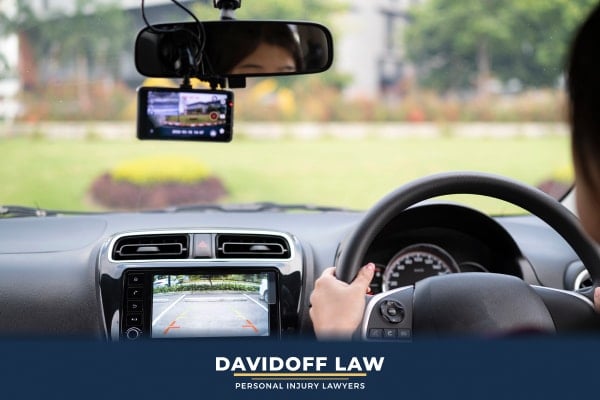
We collect all available evidence to show how the accident happened and why fault applies. A strong investigation supports your legal claim and pushes the driver’s insurance company to provide fair insurance coverage.
Key evidence sources include:
- Surveillance video and traffic camera clips: These reveal the accident scene, traffic signals, and whether the driver violated any rules.
- Dash cam footage: This shows movement, painted lines, and the moment someone was struck by a vehicle.
- Skid marks and vehicle impact analysis: These help show driver behavior and whether the at-fault driver tried to slow down.
- Toxicology results and clothing visibility: These factors help clarify comparative fault and comparative negligence.
- Witness statements: These support how the crash unfolded and help prove we can recover damages for our clients.
Common Injuries in Nighttime Pedestrian Accidents
We often see severe injuries in night crashes because visibility is low, even with working traffic lights. These injuries can change daily life and may require long-term care. We help clients understand the full scope of harm so the claim reflects every loss.
Common injuries include:
- Traumatic brain injuries: These can affect memory, balance, and speech.
- Spinal injuries: These may limit movement or cause lasting pain.
- Fractures: Broken bones often need surgery or months of recovery.
- Soft tissue injuries: Strains and sprains can still disrupt work and daily tasks.
- Internal injuries: These can be life-threatening and require quick medical care.
Compensation Available for Injured Pedestrians

We work to recover fair payments for anyone struck by a vehicle at night. Crashes under traffic lights can still leave someone with high costs and long-term needs. A claim should cover both financial losses and the personal impact of the injury.
Compensation can include:
- Medical expenses: This includes hospital care, follow-up visits, and rehab.
- Lost wages: We seek payment for missed work and reduced earning ability.
- Pain and suffering: These damages reflect physical pain and emotional distress.
- Disability and long-term care: Serious injuries may require lifelong support.
- Property damage: Phones, glasses, and other items often break during a crash.
What Pedestrians Should Do After Being Hit at Night
We guide clients through the steps to take after a crash, especially when it occurs at traffic lights or in dark areas. These steps help protect your health and your legal claim. They also give us the tools we need to hold the driver responsible.
Important steps include:
- Seek emergency care: Even if symptoms seem mild, internal injuries can grow worse.
- Report the accident: A police report helps show how the crash happened.
- Collect evidence when possible: Photos, clothing, and witness names can support your claim.
- Contact Davidoff Law before speaking with insurers: We help you avoid mistakes and deal with insurance companies.
How Davidoff Law Helps in Crosswalk and Outside of a Crosswalk Pedestrian Cases
We handle cases that occur both inside and outside marked crosswalks. Crashes near traffic lights or mid-block can involve complex questions about fault, visibility, and driver behavior. We work to show how the driver caused the harm and why full compensation is justified.
Our support includes:
- Investigation of visibility issues: We study lighting, traffic lights, and sight lines.
- Accident reconstruction: This helps us reconstruct the vehicle's exact path.
- Collecting witness and video evidence: We gather all sources to build a clear picture of the crash.
- Challenging unfair fault assignments: We push back when insurers try to blame the pedestrian.
- Advocating for full compensation: We fight for every benefit the law allows.
Frequently Asked Questions
Yes. You may still file a claim because drivers must use reasonable care, even when you cross mid-block. We review the accident scene and available evidence to support your case.
Yes. Poor lighting does not excuse unsafe driving. We examine traffic lights, headlights, and speed to see if the driver failed to act with reasonable caution.
No. Jaywalking does not block a claim under New York’s comparative negligence rules. We work to show how the driver contributed to the crash.
Both sides may share fault when impairment is involved. We study toxicology results and witness statements to see how each person acted before the crash.
Fault depends on speed, lighting, driver behavior, and visibility. We look at traffic lights, dashcam footage, and skid marks to understand what happened.
Call us as soon as you are safe and have received medical care. Early guidance helps protect your rights before you speak with insurance companies.
Speak With Our New York Pedestrian Accident Lawyers for a Free Case Evaluation

We encourage you to contact us if you were hit at night, whether it happened in a crosswalk or outside one. Our team offers a free consultation and will explain your legal options in clear, step-by-step terms. We have extensive experience with nighttime pedestrian crashes and know how to address issues involving traffic lights, visibility, and driver behavior. We are ready to help you pursue the compensation you deserve.
Davidoff Law Personal Injury Lawyers
- 75-60 188th Street, Fresh Meadows, NY 11366
- (718) 900-0000
Davidoff Law Personal Injury Lawyers - New York City
- 60 E 42nd Street, Suite 1720, New York, NY 10165
- (212) 900-0000
APPOINTMENT ONLY
Davidoff Law Personal Injury Lawyers - Bronx
- 2322 Arthur Ave, 207, Bronx, NY 10458
- (516) 830-0956
Queens Personal Injury Lawyer Ruben Davidoff
- 108-18 Queens Blvd., Suite 404, Queens NY 11375
- (718) 268-8800

Ruben Davidoff, founder of Davidoff Law, established his practice in 2012 after moving to Queens in 1988 and beginning his legal career in 1997. Admitted in NY State and the US District Court for the Eastern District of NY, he has extensive experience in personal injury, handling various cases like airline crashes, auto accidents, and slip/trip and fall cases. Mr. Davidoff provides personalized attention, recovering millions for clients through settlements or verdicts, leveraging decades of experience.


