



This page was written, edited, reviewed & approved by Ruben Davidoff following our comprehensive editorial guidelines Ruben Davidoff, the Founding Partner, has 30+ years of legal experience as a New York personal injury attorney.

What is the duty of a driver in case of an accident? Every year, over 20,000 car crashes occur in Queens alone. New York law sets clear rules for all drivers involved in a crash. These rules apply whether you're at fault or not.
When a car loses control or two drivers collide, knowing your legal duties protects your rights. It also ensures everyone gets proper care. We created this guide to help you understand what steps to take after an accident.
Understanding these duties makes a big difference in how your car accident case unfolds. This is key if you need to seek compensation for injuries or property damage.
Table of Contents
Immediate Legal Duties After a Car Accident
In New York, all drivers involved in a crash are legally required to stop at the site. This applies to crashes with another vehicle, a pedestrian, or just property damage. Leaving the scene is a serious offense with heavy penalties.
Once stopped, you must share key information with the other driver. This includes your name, address, driver's license number, insurance company ID card number, and valid vehicle registration. Withholding this information could result in fines and ultimately harm your case.
You have 10 days to file a DMV report for accidents involving injuries or property damage over $1,000. Missing this deadline could get your license suspended.
These duties apply even if the other driver caused the crash. You should move your vehicle to the side of the road when possible and turn on your hazard lights to warn other motorists.

Davidoff Law Personal
Injury Lawyers
Consultation With Us Today!
When and How to Call the Police After an Auto Accident
In New York, you must call the police after any accident with injuries or property damage over $1,000. Police documentation is crucial when a driver fails to follow traffic signs or runs a red light.
When calling 911, provide your exact location with nearby cross streets. Tell them how many people are injured and whether any vehicles are blocking traffic. Stay calm to help emergency services respond faster.
The police report serves as an official record of the accident, aiding in insurance claims. You can get a copy 7-10 days after the accident from the local precinct or the NYPD website. In Queens, police typically arrive within 8-12 minutes for injury accidents.
Providing Emergency Medical Help: Your Legal Responsibility
Helping injured people after a car accident is both a moral and legal duty. New York law requires drivers to give "reasonable assistance" to injured parties. This includes calling for emergency medical help and sometimes performing emergency aid. Your quick actions in the first minutes can save lives and prevent lasting injuries.
Assessing Injuries and Calling for Emergency Medical Help
Check yourself for injuries first, then look for injured persons in other vehicles involved. Watch for signs of serious injuries like unconsciousness, heavy bleeding, or trouble breathing. Always call 911 if anyone reports pain, even if injuries seem minor.
Tell 911 operators what injuries you see and follow their instructions. Never move an injured person unless they're in immediate danger, as this could make spinal injuries worse.
Some serious injuries, like internal bleeding, might not show symptoms right away. That’s why we advise car accident victims to seek medical attention even if they feel fine after a crash.
Legal Protection When Rendering Aid to Injured Parties
New York's Good Samaritan Law protects you when you provide emergency aid after an accident. This law shields you from liability when you act in good faith, provided you are not grossly negligent.
The protection covers basic first aid, like applying pressure to stop bleeding or comforting injured persons. Stay within your training—don't try medical procedures you're not qualified to perform.
For medical professionals at a crash site, different standards apply, but they still have protection when acting in good faith. If you're unsure what to do in such a situation, focus on keeping the injured person still until paramedics arrive.
Why You Should Never Admit Fault at the Scene
After a car crash, you should not apologize even if you're unsure what happened. This natural reaction can damage your legal position, as these statements may count as an "admission against interest."
Determining who failed to use reasonable care requires a thorough review of road conditions, vehicle positions, and witness statements. What seems clear at the crash site often changes once all facts come to light.
How Spontaneous Statements Can Hurt Your Car Accident Case
Simple phrases like "I'm sorry" or "I didn't see you" can be used by the other driver's insurance company to blame you. The shock of a crash clouds judgment, leading to statements you may regret.
Insurance adjusters look for these comments in police reports and witness accounts. They often call shortly after the crash, hoping you'll say something they can use to deny your claim.
One of our clients once told another driver, "I should have been paying better attention." We later found the other driver had run a stop sign. That single statement resulted in a prolonged dispute with the insurance companies.
What to Say to Other Drivers and Responding Officers
Stick to sharing required information—name, contact details, and insurance information. When asked about the crash, state only facts, such as "The light was green when I entered the intersection."
With police officers, be truthful but brief. Share basic facts about your direction and speed. If you're unsure about something, say, "I'm not certain," rather than guessing.
Focus on checking if everyone is okay rather than discussing who caused the accident. Stay polite and cooperative, but remember that fault is determined later through proper channels.
Dealing With the Driver's Insurance Company
After a crash, insurance companies work to protect their interests, not yours. Their goal is to pay as little as possible, which puts them at odds with car accident victims seeking fair compensation.
The days following an accident often bring calls from adjusters requesting statements or offering quick settlements. How you handle these early talks can greatly impact your ability to cover medical bills and lost wages.
Required Information to Share With Insurance Providers
You must notify your own insurance company soon after an accident, usually within 24-48 hours. Share basic facts: the date, time, location, contact information for other drivers, and your policy number.
For the other driver's insurance company, you don't need to give a recorded statement without legal help. Share only your name and contact information—nothing more until you've spoken with a personal injury attorney.
New York's no-fault system requires you to file for benefits within 30 days. This coverage includes immediate medical expenses, regardless of who is at fault for the accident.
Protecting Yourself From Early Settlement Offers
Insurance companies often make quick, low offers before you know the full extent of your injuries. These rarely cover long-term medical needs or pain from a serious car accident.
A common tactic is to press you into accepting payment while suggesting that the offer might disappear if you wait. Remember that New York gives you three years to file a personal injury lawsuit.
Early settlements often miss complications that develop weeks after the crash. Many accident victims take small settlements only to need surgery later, with no way to get more compensation.
Documenting the Accident Scene Properly
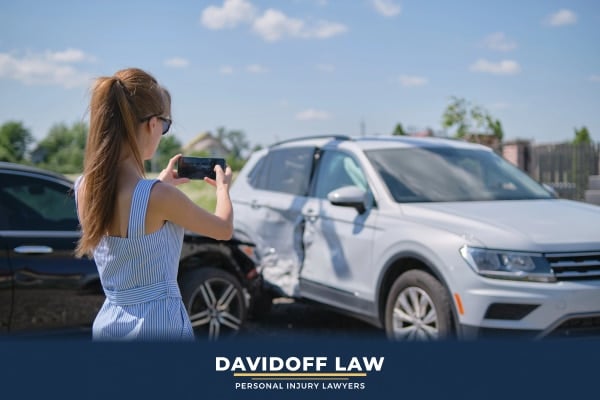
Strong evidence from the crash site forms the base of successful car accident claims. Right after an accident, you have one opportunity to document the scene accurately.
Thorough documentation can turn a denied claim into full compensation. Your smartphone makes this easier, but you need to know what to record.
Essential Evidence to Collect Before Leaving the Scene
Gather this important information before leaving:
- Contact and insurance information for every driver involved
- Photos of all vehicles showing damage
- Images of license plates, skid marks, and traffic signals
- Names and phone numbers of witnesses
- Notes about road and weather conditions
- Photos of your visible physical injuries
How Photos and Witness Statements Support Your Claim
Visual evidence directly counters false claims about how the accident happened. Photos showing vehicle positions often reveal which driver crossed to the wrong side or made an unsafe lane change. Images of road conditions show if a driver maintained a reasonable speed.
Witness statements from bystanders carry special weight with insurance adjusters. They provide unbiased accounts of which driver ran a red light or failed to maintain a safe distance.
This evidence often makes the biggest difference in proving the other driver was legally responsible for the crash.
How Driver Negligence Affects Accident Claims
When a driver fails to act responsibly, they become financially liable for resulting injuries. Driver negligence is central to most car accident claims in New York.
Proving the other driver was negligent means demonstrating that they failed to exercise reasonable care. This might involve breaking traffic laws or failing to drive safely, particularly in adverse traffic conditions.
Proving the Other Driver Failed Their Legal Duties
A successful negligence claim requires showing:
- The driver had a duty of care
- They breached that duty
- This breach caused the accident
- You suffered actual damages
Speeding, distraction, recklessness, or running stop signs are typical examples. Proof-like skid marks or witness accounts strengthen your claim.
Police citations issued at the scene strongly support negligence claims. If the other driver was ticketed for speeding or running a red light, this helps show that they failed to fulfill their legal duties.
Comparative Negligence in New York Accident Cases
New York uses 'pure comparative negligence,' allowing partial fault without barring damage recovery. The more fault you bear, the less you’re compensated. If you are found 20% responsible, you'll receive 80% of your damages.
Insurers may overstate your fault to lower their payout. They might claim you were speeding even when the other driver clearly caused the accident.
To counter these tactics, we build evidence showing exactly how the other driver's actions led to the crash. This includes expert analysis of the accident scene and vehicle damage.
When to Contact a Car Accident Attorney
After a serious accident, getting legal help quickly protects your rights. Early attorney involvement prevents mistakes that can hurt your claim.
A personal injury attorney handles communications with insurance companies, preserves evidence, and ensures you meet deadlines. This allows you to focus on recovery while a professional advocates for your interests.
With most car accident attorneys, you pay nothing unless they win your case. They collect fees only if they win compensation for you.
Signs You Need Professional Legal Representation
Seek a car accident attorney immediately if:
- You've suffered serious injuries
- The fault is disputed
- The crash involved a commercial vehicle
- Insurance adjusters pressure you for statements
- Your injuries might have long-term impacts
- You need help with mounting medical bills
An experienced injury lawyer can help manage medical bills while your case proceeds. They work with healthcare providers to document how your injuries relate to the accident.

Davidoff Law Personal Injury Lawyers Today!

Contact Our Queens Car Accident Lawyer For a Free Case Evaluation
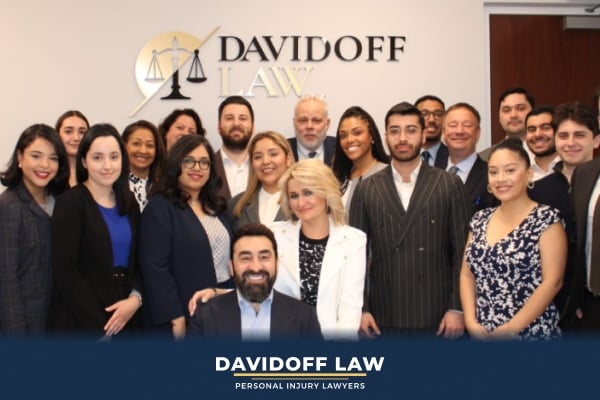
At Davidoff Law Personal Injury Lawyers, we've helped countless car accident victims in Queens and New York City pursue compensation for their injuries. We understand the challenges of local intersections, such as Queens Boulevard, where many serious crashes occur.
Our team fights for car accident victims, handling every aspect of your case from investigation through settlement. We work to secure compensation for your medical bills, lost wages, and pain and suffering.
Don't wait to take legal action after a car accident as evidence disappears quickly. Call us today for a free consultation about your case. You pay nothing unless we win compensation for you.
Davidoff Law Personal Injury Lawyers
- 75-60 188th Street, Fresh Meadows, NY 11366
- (718) 900-0000
Davidoff Law Personal Injury Lawyers - New York City
- 60 E 42nd Street, Suite 1720, New York, NY 10165
- (212) 900-0000
APPOINTMENT ONLY
Davidoff Law Personal Injury Lawyers - Bronx
- 2322 Arthur Ave, 207, Bronx, NY 10458
- (516) 830-0956
Queens Personal Injury Lawyer Ruben Davidoff
- 108-18 Queens Blvd., Suite 404, Queens NY 11375
- (718) 268-8800

Ruben Davidoff, founder of Davidoff Law, established his practice in 2012 after moving to Queens in 1988 and beginning his legal career in 1997. Admitted in NY State and the US District Court for the Eastern District of NY, he has extensive experience in personal injury, handling various cases like airline crashes, auto accidents, and slip/trip and fall cases. Mr. Davidoff provides personalized attention, recovering millions for clients through settlements or verdicts, leveraging decades of experience.


