This page was written, edited, reviewed & approved by Ruben Davidoff following our comprehensive editorial guidelines Ruben Davidoff ,the Founding Partner, has 30+ years of legal experience as a New York personal injury attorney.
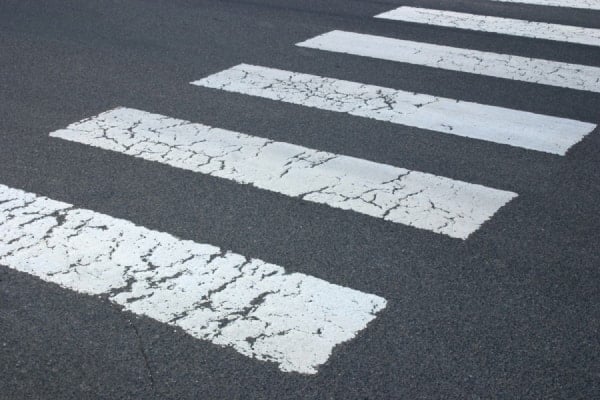
Pedestrian accidents involving turning vehicles with obstructed views are common, especially in busy urban areas like New York. Obstructions such as double-parked vehicles, poorly designed intersections, or overgrown trees can limit a driver's line of sight, increasing the risk of an accident. These accidents can cause severe injuries or even death. While the turning driver is often at fault, the property owner, government entity, or other parties could also share liability. At Davidoff Law, we help victims understand their legal options and fight for the compensation they deserve.
Table of Contents
Understanding Pedestrian Accidents Caused by Turning Vehicles
Turning vehicles are a significant risk to pedestrians, especially when their visibility is blocked. Pedestrians may be crossing at intersections or in parking lots, where turning drivers may not see them in time. Factors such as vehicle speed, weather conditions, and poor road design can further increase the likelihood of an accident. In many cases, the turning driver fails to notice a pedestrian due to poor visibility caused by oncoming traffic or other obstructions.
Legal Standards for Pedestrian Safety and Driver Responsibility

New York law protects pedestrians and holds drivers accountable for their actions. Pedestrians generally have the right-of-way, but drivers still have a duty to exercise caution, even when a pedestrian is crossing outside of marked crosswalks. Line-of-sight accidents can occur when a left-turning or turning driver cannot see a pedestrian because of other vehicles or obstructions. Sight accidents often lead to personal injury claims, in which the insurance company must determine liability.
Pedestrian Right-of-Way Laws
In New York, pedestrians have the right of way at intersections with traffic lights, stop signs, and crosswalks. Drivers must yield to pedestrians in these areas, even if the person is crossing outside the crosswalk. A left-turn driver failing to yield at a red light or green arrow may be held liable. However, if a pedestrian crosses in an unmarked area or jaywalks, a sight accident may involve shared responsibility under comparative negligence.
Driver’s Duty to Yield to Pedestrians
Drivers in New York must yield to pedestrians in crosswalks or areas where people have a reasonable expectation of safety. This duty extends to intersections with poor visibility, blocked views, or narrow streets. Failing to yield while making a left turn, right turn, or when other vehicles obscure the view can result in serious injuries. Drivers who ignore these duties can be held responsible for the pedestrian’s personal injury and associated damages.
Comparative Negligence
Comparative negligence applies when both the driver and pedestrian share responsibility for a sight accident. For example, a pedestrian who crosses outside a crosswalk while a left-turn driver fails to notice them may be partially liable. New York law reduces the pedestrian’s compensation based on their share of fault. Even if a pedestrian is partially at fault, the driver and their insurance company can still be responsible for recovering damages for medical bills, lost wages, and other accident-related expenses.
The Role of Obstructed Views in Pedestrian Accidents
At Davidoff Law, we handle cases involving pedestrian accidents caused by obstructed views. Obstructions can include parked vehicles, low-hanging branches, tall bushes, or signs that impair visibility. When a driver’s line of sight is blocked, collisions with pedestrians are more likely, especially on busy streets or intersections. Turning left or right without clear visibility increases the risk of serious injuries and car accidents. We help victims understand how these hazards contribute to the accident and work to recover damages for past and future medical bills and lost wages.
Common Causes of Accidents Involving Turning Vehicles and Obstructed Views

Visibility issues often play a critical role in pedestrian accidents when vehicles turn. Drivers may fail to see pedestrians because of blocked views, large vehicles, or oncoming cars. The following are common causes:
Parked Cars Blocking the Driver’s Line of Sight
Parked cars can prevent a driver from seeing a pedestrian crossing the street. Left-turn drivers or those following safe driving habits may miss a person due to blocked sight. These line-of-sight accidents are common at stop signs, green lights, and green-arrow intersections.
Improperly Positioned Signage or Street Furniture
Signs, street furniture, or low-hanging traffic signals can impair visibility. Drivers may not see a pedestrian until it is too late to stop. These obstacles often contribute to accidents involving commercial trucks or other vehicles.
Poorly Designed Intersections or Driveways
Intersections or driveways without clear visibility create dangerous conditions. Tall bushes, skid marks, or obstructions reduce the driver’s view, especially for left-hand turns or red light crossings. Oncoming vehicles can collide with pedestrians if the intersection is poorly designed.
Who Is Liable in Pedestrian Accidents Involving Obstructed Views?
Liability can involve multiple parties, including the driver, vehicle owner, or property owner. Weather, road conditions, or parked cars may contribute to the accident. New York law allows comparative negligence, meaning a pedestrian may be partially liable for an accident.
- Drivers and their negligence: Failing to check for pedestrians or distracted driving can make a driver responsible.
- Property owners: Obstructed views from low-hanging branches, tall bushes, or improper signage may make them liable.
- Municipalities: Poorly designed intersections or driveways can expose the city to liability.
We work to determine all potentially liable parties to recover compensation for medical expenses, lost wages, and future damages.
Determining Liability in Pedestrian Accidents With Obstructed Views

Proving liability in pedestrian accidents involving obstructed views requires gathering sufficient evidence. It's essential to show that the obstruction played a significant role in the accident. This often involves eyewitness testimony, traffic camera footage, and detailed scene documentation.
Gathering Eyewitness Testimony
Eyewitnesses can provide crucial insight into what happened during the accident. Their statements can confirm whether the obstruction was a factor in the pedestrian accident. Testimonies can also help establish the extent to which the driver's actions contributed to the accident.
Using Traffic Camera Footage and Dashcam Video
Traffic camera footage or dashcam footage can provide clear evidence of the accident. This footage can show whether the driver had a clear line of sight and if the pedestrian was visible. It also helps determine the vehicle's speed and other factors that led to the accident.
Documenting the Scene and Obstructions
Photographs and videos of the accident scene can be used to document the obstruction. This includes capturing parked cars, street furniture, or other objects that block the driver's view. Proper documentation helps strengthen the case and proves that the obstruction was a contributing factor.
We work to determine all potentially liable parties to recover compensation for medical expenses, lost wages, and future damages.
How to Prove Liability in Pedestrian Accidents With Obstructed Views
Proving liability requires showing that the obstruction significantly contributed to the accident. This involves collecting evidence, documenting the scene, and establishing the driver’s negligence.
Gathering Eyewitness Testimony
Witnesses can verify what happened, who was at fault, and how the accident occurred. Their statements help demonstrate the obstruction’s impact on the driver’s line of sight.
Using Traffic Camera Footage and Dashcam Video
Video evidence can show how parked cars, other vehicles, or tall bushes impaired visibility. This helps prove the collision and the driver’s responsibility.
Documenting the Scene and Obstructions
Photos, measurements, and notes about low-hanging branches, signage, or street furniture are critical. Skid marks and vehicle damage provide further proof to support a personal injury claim.
Common Injuries in Pedestrian Accidents Involving Turning Vehicles

Pedestrian accidents involving turning vehicles can cause serious harm, even when the driver is partially at fault. These accidents happen quickly and can leave lasting effects. Understanding the types of injuries can help victims take the right steps to recover.
- Head trauma: Concussions and traumatic brain injuries are common in turning vehicle accidents.
- Spinal injuries: Damage to the neck or back can require long-term medical care.
- Fractures and broken bones: Arms, legs, and ribs often break when struck.
- Internal injuries: Organs can be damaged even without visible wounds.
- Soft tissue injuries and contusions: Bruises and sprains often accompany other injuries.
What to Do After a Pedestrian Accident With a Turning Vehicle
Knowing what to do after an accident can protect your rights and help you recover past and future damages. Following proper steps also ensures evidence is preserved for your legal claim.
Seek Medical Attention Immediately
Even if injuries are not immediately apparent, visit an emergency room or doctor. Documenting injuries early helps support claims for medical bills, lost wages, and future damages.
Report the Incident to Authorities
Call the police to investigate the accident scene. Officers create reports that note the other driver, the truck driver, or the vehicle involved, which may be critical for your case.
Collect Evidence and Witness Information
Take photos, note skid marks, and gather witness statements. Recording another’s negligence, the vehicle’s position, or obstructions in the driver’s view can strengthen your claim.
How Davidoff Law Can Help Pedestrians Injured by Turning Vehicles
We help pedestrians recover compensation when accidents happen due to a turning vehicle or obstructed view. Our team works tirelessly to protect your rights.
- Legal representation for pedestrians involved in auto accident cases or truck driver collisions.
- Investigating and proving obstructed view cases, showing whether another driver’s negligence caused the crash.
- Collecting and preserving evidence, including photos, witness statements, and traffic data.
- Negotiating with insurance companies and other potentially liable parties to recover past and future damages.
- Taking the case to trial if necessary to ensure fair compensation and justice.
We offer a no-obligation consultation to discuss your accident and outline legal action within the time limit. Our attorneys guide you through every step, making sure your claim addresses past and future damages.
Frequently Asked Questions
Yes, you can file a claim if the driver failed to notice you due to an obstructed view. It's important to gather evidence to show the driver’s negligence.
If parked cars block a driver’s view and cause a pedestrian accident, the driver may still be at fault. However, other parties, such as the vehicle or property owner, may also share liability.
Yes, poorly designed roads or intersections can contribute to pedestrian accidents. Lack of proper signage, narrow roads, or blind spots can increase the risk of accidents.
Proving that an obstructed view caused the accident involves gathering evidence like eyewitness testimony, photos of the scene, and traffic camera footage. This helps show that visibility issues were a factor.
In New York, comparative negligence means you can still file a claim even if the pedestrian was partially at fault. However, their compensation may be reduced based on their percentage of fault.
You should contact us as soon as possible after the accident. The sooner we get involved, the better we can investigate the accident and protect your rights.
Speak With Our New York Pedestrian Accident Lawyers for a Free Initial Consultation
If you’ve been injured in a pedestrian accident involving a turning vehicle, we’re here to help. At Davidoff Law, our experienced team specializes in complex pedestrian accident cases. We understand the legal details and can guide you through the process to ensure you recover fair compensation. Contact us today for a free consultation and let us help you get the compensation you deserve.

Ruben Davidoff, founder of Davidoff Law, established his practice in 2012 after moving to Queens in 1988 and beginning his legal career in 1997. Admitted in NY State and the US District Court for the Eastern District of NY, he has extensive experience in personal injury, handling various cases like airline crashes, auto accidents, and slip/trip and fall cases. Mr. Davidoff provides personalized attention, recovering millions for clients through settlements or verdicts, leveraging decades of experience.