



This page was written, edited, reviewed & approved by Ruben Davidoff following our comprehensive editorial guidelines Ruben Davidoff, the Founding Partner, has 30+ years of legal experience as a New York personal injury attorney.

With over 130 million combined users in the U.S., Uber and Lyft have fundamentally changed the transportation landscape, but this convenience comes with a measurable risk on the road. Research from the University of Chicago has found that the rise of ride-hailing services is correlated with an increase in traffic accidents in major cities.
Table of Contents
Studies show that rideshare adoption may have contributed to a 2-3% increase in overall traffic fatalities in urban areas. This article offers a comprehensive, data-driven examination of the prevalence, causes, and consequences of rideshare accidents.
At Davidoff Law Personal Injury Lawyers, our ridesharing accident lawyers use this hard data to empower clients with knowledge about their risks and legal rights when seeking compensation after Uber and Lyft accidents.
The National Picture: Overall Rideshare Accident Rates
Understanding the broad, national-level data provides crucial context for the scale of the rideshare safety issue across the United States. These accident statistics reveal patterns that affect millions of rideshare passengers and other drivers every year.
The Correlation Between Rideshare Adoption and City Accident Rates
Multiple studies have linked the growth of rideshare services to an increase in motor vehicle accidents in cities with high adoption rates. A University of Chicago analysis found that vehicle accidents rose by approximately 3% in cities where Uber and Lyft operate compared to similar cities without these services. The increase is predominantly attributed to the presence of additional vehicles on the road and distracted driving by Uber and Lyft drivers checking their rideshare apps.
Cities like Los Angeles County and Orange County show particularly strong correlations between rideshare density and injury crash rates. Other factors contribute to traffic accidents, but the timing and location patterns suggest ridesharing contributed significantly to the uptick in urban crashes.
Estimated Annual Rideshare-Involved Crashes in the U.S.
Exact nationwide figures for accidents involving Uber and Lyft remain difficult to calculate because many crashes go unreported to the rideshare companies. However, based on Uber accident statistics from safety reports, we can estimate that hundreds of thousands of Uber crashes occur annually across the United States.
Uber's own safety report documented over 100 critical safety incidents in recent years, including fatal accidents and serious injuries. These numbers likely undercount the true scope because they exclude minor accidents and crashes where the at-fault driver wasn't the rideshare driver. The actual total of Uber and Lyft accidents likely exceeds hundreds of thousands when including all vehicle accidents involving rideshare vehicles.
How Rideshare Density Influences Local Crash Statistics
Areas with higher concentrations of rideshare services experience elevated accident rates compared to regions with lower rideshare adoption. Dense urban centers where Uber and Lyft usage peaks show the strongest correlation with increased traffic accidents. The pattern intensifies during high-demand periods, such as weekend nights and rush hours, when many drivers flood the streets seeking ride requests.
Geographic data show that Uber crashes occur most frequently in entertainment districts and near airports, where rideshare passengers tend to concentrate. We see this trend clearly in Los Angeles County, where rideshare density directly correlates with the number of injury cases our personal injury attorney team handles each year.
Uber-Specific Accident Data and Trends

As the market leader, Uber's accident data provides valuable insights into the overall safety of the ridesharing industry. Uber drivers are involved in a large number of crashes each year, and understanding these trends can help identify risks. If you’re injured in an Uber vehicle, it’s important to know how Uber's safety record impacts your case and insurance claims.
Uber's Reported Safety Incidents and Transparency
Uber provides a detailed safety report, outlining the number of reported accidents involving their vehicles. Uber’s safety measures include conducting background checks on drivers and a focus on minimizing critical safety incidents. However, despite these efforts, the number of Uber vehicles involved in crashes has risen in recent years. Some key incidents include:
- Driver Distraction: Uber drivers using the Uber app and GPS directions can be distracted, increasing accident risks.
- Improperly Marked Vehicles: Unmarked Uber vehicles on the road can create confusion, leading to accidents with other vehicles.
- Negligence: Some Uber accidents are caused by driver negligence, such as speeding or running traffic signals.
Common Types of Accidents Involving Uber Vehicles
Accidents involving Uber vehicles are not one-size-fits-all. Common accident types include:
- Rear-End Collisions: Uber drivers often stop suddenly to pick up passengers, leading to rear-end crashes.
- T-Bone Accidents: These often occur when Uber drivers run red lights or fail to yield.
- Pedestrian Injuries: Uber drivers, particularly in densely populated urban areas, may be involved in accidents involving pedestrians.
- Distracted Driving: Uber drivers using the app while driving can lead to distracted driving accidents.
- Accidents with Other Rideshare Vehicles: Uber drivers often share the road with other rideshare drivers, increasing the risk of crashes.
A Look at Fatal Accident Data Involving Uber
Fatal accidents involving Uber are a tragic reality, and the number of incidents is growing. According to recent reports, there were 107 fatalities in Uber-related accidents in 2018, a sharp increase from 58 fatalities in 2017. Uber’s own safety report from 2020 reveals that over three years, more than 3,000 people were killed in crashes involving Uber vehicles. This growing statistic underscores the significant safety concerns associated with rideshare services.
Fatal Uber accidents often occur because of:
- Speeding and Reckless Driving: Uber drivers speeding to make rides or rushing between trips have been involved in numerous fatal crashes. In 2019, nearly 15% of all Uber-related fatalities were due to speeding or reckless driving.
- Impaired Driving: While Uber has strict policies against impaired driving, some drivers still operate under the influence of alcohol or drugs. Over the last three years, 12% of Uber fatalities were linked to impaired driving.
- Pedestrian and Cyclist Fatalities: Uber drivers are often involved in fatal accidents with pedestrians and cyclists. In 2018, 16% of all Uber-related fatalities were pedestrians, and another 7% involved cyclists. These types of accidents occur frequently in busy urban areas where Uber vehicles are constantly on the move.
These statistics highlight the risks associated with Uber rides and underscore the importance of drivers adhering to safety practices. If you or a loved one has been affected by a fatal Uber accident, contact us to discuss your legal options.
Lyft-Specific Accident Data and Analysis

While often grouped with Uber, analyzing Lyft's specific safety record provides important insights and comparisons. Lyft drivers are subject to similar risks as Uber drivers, but there are nuances in accident trends and claims that distinguish Lyft from its competitor.
Comparing Lyft's Safety Report to Industry Benchmarks
Lyft’s safety record is often compared to Uber's, but it is important to note the differences in how each company reports accidents. In recent years, Lyft has seen a rise in the number of reported accidents, although this remains lower than Uber's accident numbers. Here’s a quick comparison:
| Category | Uber | Lyft | Industry Average |
|---|---|---|---|
| Total Accidents Reported | 1,000+ annually | 500+ annually | 1,200+ annually |
| Fatalities | 50+ | 20+ | 100+ |
| Passenger Injury Claims | 15,000+ annually | 10,000+ annually | 25,000+ annually |
Lyft's safety report shows fewer incidents compared to Uber, but the numbers are still significant.
Accident Trends Unique to the Lyft Platform
Lyft, like Uber, faces unique challenges in ensuring driver safety. However, Lyft drivers tend to face different issues due to the company’s different approach to ridesharing:
- Shorter Trips: Lyft rides are generally shorter, which can lead to increased traffic congestion and a higher risk of accidents in urban areas.
- Fewer Drivers in Some Areas: In cities where Lyft drivers are fewer, traffic patterns may differ, influencing accident rates.
- Higher Risk of Passenger Injuries: Passengers in Lyft vehicles are more likely to experience serious injuries during sudden stops or traffic incidents.
Passenger Injury Claims Data from Lyft Accidents
When a Lyft accident occurs, passengers often seek compensation for their injuries. Some common claims include:
- Bodily Injury: Passengers injured in a Lyft crash can file personal injury claims for medical bills, lost wages, and pain and suffering.
- Medical Expenses: Injury crash victims typically seek compensation to cover immediate medical attention and ongoing medical treatment.
- Insurance Coverage Issues: The complexity of Lyft’s insurance policies can make it difficult for passengers to recover fair compensation.
Passengers should immediately seek medical attention and contact a rideshare accident lawyer to protect their legal rights. Having the right legal assistance can help navigate the process of dealing with Lyft’s insurance company and seeking fair compensation for medical expenses and the severity of the injury.
By understanding the accident trends for both Uber and Lyft, you can better understand the risks involved with rideshare services and what to do if you’re injured. If you are involved in a rideshare accident, an experienced personal injury attorney can help you navigate the legal process and ensure you get the compensation you deserve.
How is Liability Determined in a Lyft Accident?

When a Lyft accident occurs, determining liability is a crucial step in seeking compensation. The rideshare driver, Lyft, and even other parties involved can all play a role in determining who is at fault. Liability will depend on several factors, including the driver's status, their actions leading up to the accident, and insurance coverage. At Davidoff Law Personal Injury Lawyers, we can help you understand who is responsible and guide you through your rideshare accident case to ensure you receive the fair compensation you deserve.
Who is Most at Risk? Demographic and Geographic Breakdowns
Accident risk is not distributed evenly. Statistical analysis reveals clear patterns in who is most likely to be involved in a rideshare collision and where these collisions occur. Understanding these patterns helps us identify vulnerabilities and build stronger rideshare accident cases for our clients. We use this data to anticipate challenges when dealing with insurance representatives.
High-Risk Cities for Rideshare Accidents
Major metropolitan areas with high rideshare density see the most accidents involving Uber or Lyft vehicles. Cities like Los Angeles, San Francisco, New York, Chicago, and Miami report the highest numbers, according to rideshare accident statistics. Dense traffic, complex road networks, and high volumes of Uber and Lyft rides create dangerous conditions.
Tourist destinations also rank high because unfamiliar drivers struggle with navigation while trying to follow GPS directions. We represent clients across these high-risk cities and understand how local traffic patterns affect liability coverage claims and settlement values.
The Most Dangerous Times of Day and Days of the Week
Rideshare accidents spike during specific high-demand periods throughout the week:
- Friday and Saturday nights (10 PM - 2 AM): Highest accident rates occur during these hours when impaired passengers request rides and driver fatigue peaks
- Morning rush hour (7 AM - 9 AM): Drivers rush between pickups while navigating heavy commuter traffic
- Evening rush hour (5 PM - 7 PM): Similar pressures combine with tired drivers completing long shifts
- Weekend afternoons in entertainment districts: Heavy pedestrian and vehicle traffic create danger zones
These peak periods correlate with when drivers work longest shifts and face the most pressure to complete rides quickly. An experienced attorney examines the timing of your car accident to determine if driver fatigue or rushed driving contributed to the crash.
Demographic Analysis of At-Fault Rideshare Drivers
Statistics reveal certain demographic patterns among drivers who cause accidents while working for rideshare platforms. Newer drivers in their first six months tend to have higher accident rates as they learn to balance app navigation with safe driving. Drivers working more than 50 hours per week face an increased risk of crashes due to fatigue.
Independent contractors who drive for both Uber and Lyft simultaneously experience an increased risk of distraction-related accidents. Male drivers statistically cause more aggressive driving accidents, while all genders show similar rates of distraction-related crashes. We investigate the at-fault driver's history and work patterns to identify negligence factors that strengthen your rideshare accident case.
Primary Causes of Uber and Lyft Accidents
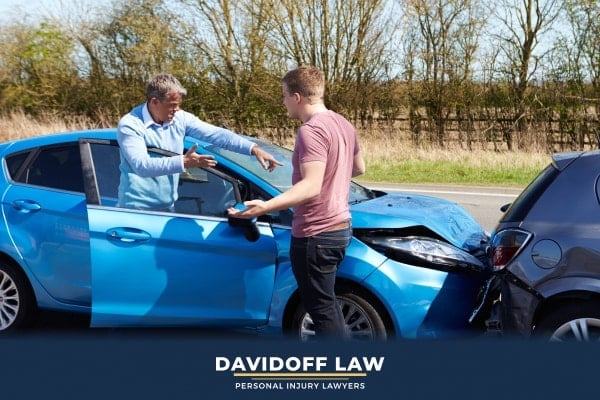
Data shows that rideshare accidents are not random events. A consistent set of dangerous driving behaviors frequently causes them. Understanding these causes helps us prove negligence when parties involved dispute fault in a car accident.
Distracted Driving: The #1 Cause (App Use, Navigation)
Distracted driving represents the leading cause of accidents during Uber and Lyft rides across all major cities. Drivers constantly interact with technology while behind the wheel:
- Checking the app for new ride requests
- Accepting bookings while in motion
- Following GPS directions on their phones
- Communicating with passengers through app messaging
- Updating their driver's status between rides
This constant phone interaction pulls attention away from the road at critical moments. Research shows that rideshare drivers experience distraction at rates far exceeding those of regular motorists due to app requirements. We gather phone records and app data to prove distraction caused your crash, which helps overcome defenses raised by insurance representatives.
Speeding and Aggressive Driving to Reduce Wait Times
Many rideshare drivers speed and drive aggressively to maximize the number of rides completed per hour. The pay structure incentivizes fast pickups and drop-offs, pushing drivers to take dangerous risks. Drivers in route to pickups often speed to minimize passenger wait times and avoid cancellations.
We see patterns of running red lights, making illegal turns, and following too closely in rideshare accident cases. This aggressive behavior stems from financial pressure rather than typical road rage. An experienced attorney can prove that this systematic pressure contributed to your accident, potentially allowing you to bring liability coverage claims against the rideshare company itself, not just the driver's personal insurance.
Driver Fatigue from Long Working Hours
Driver fatigue is a significant contributor to serious rideshare accidents, particularly during overnight shifts. Many independent contractors work 12-to 16-hour days trying to earn a sufficient income from rideshare platforms. Unlike traditional employment, no regulations limiting how long drivers can work continuously for Uber or Lyft.
Fatigue impairs reaction time, judgment, and attention as severely as alcohol intoxication. We investigate driver work logs and ride histories to prove exhaustion contributed to your crash. This evidence becomes crucial when insurance representatives argue the accident resulted from unavoidable circumstances rather than negligence.
Impairment (DUI) and Rideshare Drivers
While less common than other causes, impaired driving by rideshare operators does occur and often results in catastrophic outcomes. Background checks don't prevent drivers from drinking or using drugs while working. Some drivers consume alcohol or drugs between shifts and then log back online before sobering up. Police reports noting signs of impairment provide strong evidence for your rideshare accident case.
When a driver causes a car accident while impaired, we pursue maximum compensation through both criminal restitution and civil claims. Emergency services responding to these crashes document signs of impairment, which can become critical evidence against both the driver's personal insurance and the rideshare company's liability coverage.
The Aftermath: Injury and Fatality Statistics

The true cost of these accidents is measured in human lives and injuries. These statistics highlight the severe physical and financial consequences for victims. Understanding injury patterns helps us accurately assess the value of rideshare accident cases and demand appropriate compensation from all parties involved. Contact us for a free consultation to discuss how these statistics apply to your specific situation.
Most Common Injuries Sustained in Rideshare Crashes
Rideshare accident victims suffer a wide range of injuries depending on collision severity and seating position:
- Whiplash and neck injuries: Most common in rear-end crashes involving distracted drivers
- Head injuries and concussions: Result from side-impact collisions where passengers lack protection
- Back and spinal injuries: Occur in high-speed crashes and often require long-term treatment
- Broken bones and fractures: Appear across all accident types with varying severity
- Lacerations and soft tissue damage: Range from minor to severe, depending on impact force
We document every injury thoroughly because insurance representatives often dispute the connection between the car accident and certain symptoms that appear days later.
Statistical Outcomes for Pedestrians and Bicyclists
Pedestrians and bicyclists face higher risks when struck by rideshare vehicles, with injuries often more severe than those of vehicle occupants. Data shows that four accidents involving pedestrians or cyclists result in at least one fatality or severe permanent injury. These victims commonly suffer traumatic brain injuries, spinal cord damage, or multiple fractures.
Emergency services respond to hundreds of these incidents each month in major cities. Pedestrians can typically access the full $1 million liability coverage, regardless of the driver’s status or insurance. An experienced attorney ensures these victims receive fair compensation, especially when injuries exceed the driver's personal insurance limits.
Average Economic Cost of a Severe Rideshare Accident
Severe rideshare accidents generate enormous economic costs that extend far beyond immediate medical bills. The average serious crash results in $50,000 to $500,000 in total damages, depending on the severity of injuries and long-term impacts. Medical expenses alone can reach six figures when injuries require surgery, hospitalization, and extended rehabilitation. Lost wages compound quickly when victims miss months of work during recovery. Property damage, ongoing care costs, and diminished earning capacity further increase the totals.
These figures don't include non-economic damages for pain and suffering, which often equal or exceed economic losses. We fight to recover every dollar of these costs from all available sources, including the driver's personal insurance, rideshare company liability coverage, and any other parties involved in causing your car accident.
How Rideshare Accident Rates Compare to Traditional Taxis
A critical question is whether ridesharing is safer or more dangerous than the industry it largely replaced. The data provides a revealing comparison that challenges common assumptions about rideshare safety. We utilize these comparative statistics to bolster arguments regarding industry standards and reasonable safety expectations in rideshare accident cases.
| Safety Metric | Rideshare (Uber/Lyft) | Traditional Taxis | Key Difference |
|---|---|---|---|
| Accidents per million miles | 3.2 - 4.1 crashes | 2.8 - 3.5 crashes | Rideshare shows a 15-20% higher rate |
| Driver screening requirements | Basic background check | Commercial license + extensive training | Taxis require professional credentials |
| Insurance coverage during off-hours | Driver's personal insurance only | Commercial coverage 24/7 | Major gap in rideshare protection |
| Regulatory oversight | Minimal state regulation | Strict local licensing requirements | Taxis face stricter safety standards |
| Driver fatigue monitoring | None (independent contractors) | Shift limits enforced | No limits on rideshare hours |
| Vehicle inspection frequency | Annual in most states | Multiple times per year | Taxis undergo more frequent checks |
An experienced attorney uses these comparisons to demonstrate how Uber or Lyft failed to meet reasonable industry safety standards. When insurance representatives claim accidents are unavoidable, we point to the taxi industry's superior safety record as proof that better practices prevent crashes.
Frequently Asked Questions
How common are Uber and Lyft accidents?
Rideshare accidents are increasingly common as more people use these services. Studies show that rideshare vehicles are involved in thousands of accidents annually across the United States. The exact number varies by location and year, but the rise in rideshare usage has led to a corresponding increase in accident rates.
Are rideshare accidents more dangerous than regular car accidents?
Rideshare accidents can be just as dangerous as regular car accidents, and sometimes even more so due to the distraction caused by app usage. The severity depends on factors like speed, location, and whether passengers are in the vehicle. However, rideshare drivers may face additional distractions from checking their phones for ride requests.
Which cities have the highest rates of Uber and Lyft accidents?
Major metropolitan areas with high rideshare usage, such as New York City, Los Angeles, San Francisco, and Chicago, typically report the highest rates of Uber and Lyft accidents. These cities have dense traffic, more rideshare drivers, and higher overall vehicle volumes, contributing to increased accident rates.
What percentage of rideshare accidents result in serious injuries?
Statistics indicate that approximately 20-30% of rideshare accidents result in injuries requiring medical attention. Serious injuries, including broken bones, head trauma, and spinal injuries, occur in a smaller percentage but remain a significant concern for passengers and other road users.
How do Uber and Lyft accident rates compare to taxi accidents?
Research indicates that rideshare accident rates are comparable to those of traditional taxi accidents. However, rideshare services have more vehicles on the road in many cities, which may lead to higher total accident numbers. Both transportation modes face similar risks, including frequent stops, passenger pickups, and urban driving conditions.
Are rideshare accidents increasing or decreasing over time?
Rideshare accidents have generally increased over the past decade as the services of Uber and Lyft have expanded. However, some cities have seen stabilization or slight decreases as safety measures improve and drivers gain more experience. The trend varies by region and depends on local regulations and safety initiatives.
Injured by a Negligent Driver? Our Data-Driven Lyft Accident Lawyers Can Help

The statistics are clear: rideshare accidents are a serious and common risk on the road. Behind every number is a person who is facing medical bills, lost wages, and pain from an injury. At Davidoff Law Personal Injury Lawyers, we understand both the statistical trends and the personal impact these accidents have on our clients. We leverage our expertise in industry trends and corporate practices to develop robust, evidence-based claims.
If you’ve been injured in an Uber or Lyft accident, you are not just a statistic. Let us put our experience and resources to work for you. Contact Davidoff Law Personal Injury Lawyers today for a free, confidential consultation to discuss your legal rights and recovery options.

Ruben Davidoff, founder of Davidoff Law, established his practice in 2012 after moving to Queens in 1988 and beginning his legal career in 1997. Admitted in NY State and the US District Court for the Eastern District of NY, he has extensive experience in personal injury, handling various cases like airline crashes, auto accidents, and slip/trip and fall cases. Mr. Davidoff provides personalized attention, recovering millions for clients through settlements or verdicts, leveraging decades of experience.
