This page was written, edited, reviewed & approved by Ruben Davidoff following our comprehensive editorial guidelines Ruben Davidoff ,the Founding Partner, has 30+ years of legal experience as a New York personal injury attorney.

Car accidents can lead to more than just visible injuries. Internal organ damage is a serious concern that often goes unnoticed at first. These injuries can be life-threatening and require immediate medical attention.
If you've been involved in a car accident in Queens and suspect internal injuries, it's crucial to seek both medical and legal assistance promptly. Davidoff Law Personal Injury Lawyers is here to help you understand your rights and pursue the compensation you deserve. Our experienced team is dedicated to supporting car accident victims through every step of their recovery and legal journey.
Table of Contents
What Is Organ Damage in a Car Accident?

Organ damage refers to injuries sustained by internal organs due to the force of a car accident. These injuries can affect vital organs like the liver, spleen, kidneys, and lungs. The impact from a collision can cause these organs to bruise, rupture, or bleed internally. Such damage is often not immediately visible, making it essential to monitor for symptoms like abdominal pain, dizziness, or fainting.
Prompt medical evaluation is critical, as untreated organ damage can lead to severe complications or even death. Understanding the risks associated with internal injuries can help you take necessary precautions and seek appropriate care after a car accident.
Why These Injuries Are So Serious
Internal organ injuries are particularly dangerous because they may not present immediate symptoms. Without prompt diagnosis and treatment, these injuries can lead to internal bleeding, infection, or organ failure.
The hidden nature of such injuries underscores the importance of seeking medical attention after any significant car accident, even if you feel fine initially.
Commonly Affected Organs in Car Crashes
Certain organs are more susceptible to injury during car accidents:
- Liver: Can suffer lacerations or contusions, leading to internal bleeding.
- Spleen: Prone to rupture, which can cause life-threatening hemorrhaging.
- Kidneys: May be bruised or torn, affecting their ability to filter waste.
- Lungs: Can collapse or fill with fluid if punctured or compressed.
Recognizing the vulnerability of these organs highlights the need for thorough medical evaluations following a car accident.

Davidoff Law Personal
Injury Lawyers
Consultation With Us Today!
Causes of Organ Damage in Car Accidents
Various factors during a car accident can lead to internal organ damage. Understanding these causes can help in both prevention and legal accountability.
High-Speed Collisions
When vehicles crash at high speeds, the sudden stop creates extreme pressure on the body. This force can cause internal organs to slam against the bones or each other, which may lead to bruising, bleeding, or tearing.
Even if the seatbelt holds you in place, your organs are still moving inside your body and can suffer trauma from the impact. High-speed crashes often lead to serious injuries, including organ damage, especially when they involve large vehicles or direct hits to the front or side of the car.
Blunt Force Trauma From Seatbelts, Airbags, or Steering Wheels
Seatbelts and airbags are designed to save lives, but they can also cause harm during severe impacts. When the body is thrown forward or sideways, these safety devices may strike the chest or stomach with great force. This can cause blunt force trauma to internal organs like the heart, lungs, or liver.
For example, airbags can bruise the chest, while a steering wheel can crush the ribs or sternum. Although these tools are essential, the pressure they apply in high-speed crashes can still result in internal injuries that need immediate care.
Penetrating Injuries From Glass or Debris
In some crashes, flying glass or broken car parts can pierce the skin and go deeper into the body. These are known as penetrating injuries, and they can be extremely dangerous when they reach an organ. Sharp metal, shattered glass, or even loose items from inside the car can cause deep wounds.
If a piece of debris cuts into the abdomen or chest, it can rupture an organ and cause internal bleeding. These injuries often require emergency surgery and may lead to long-term damage if not treated right away.
Rollover Accidents or Side-Impact Collisions
Rollover crashes and T-bone accidents put enormous stress on the body. When a car rolls or is hit from the side, there is little space between the person and the door. This can cause the chest or abdomen to be crushed or slammed into the interior of the car.
Side impacts often affect the driver or passenger closest to the hit. In a rollover, multiple parts of the body may be injured as the vehicle flips and lands. These types of crashes are more likely to cause severe injuries, including damage to the organs.
Crushing Injuries in Multi-Car Pileups
In a pileup, people may be trapped between parts of the car or pinned inside the vehicle itself. The pressure from crushing can squeeze the chest or stomach, damaging the heart, lungs, intestines, or other organs.
Sometimes, rescue crews must cut the person out of the car, and the organ damage is not discovered until later. These injuries are dangerous because they often involve more than one organ and may lead to complications like infection, shock, or long-term disability.
Symptoms and Diagnosis of Internal Organ Injuries

Organ damage after a car accident can be hard to spot at first. Many symptoms take time to show, which makes it even more dangerous. Doctors need to act fast to prevent serious harm. That’s why knowing what signs to look for and how doctors test for injuries is so important. Here are key things to understand:
Warning Signs to Watch For
Some people feel pain right after the crash, while others don’t feel much until later. Signs of internal organ damage may include stomach pain, chest pain, shortness of breath, or deep bruises. You might also feel weak, dizzy, or even faint, which could point to internal bleeding.
Swelling in the belly, blood in urine, or extreme tiredness are also red flags. If you notice any of these signs, especially after a serious crash, seek help right away. These symptoms could point to a life-threatening injury, even if nothing looks wrong on the outside.
Medical Tests Used
Doctors use several tests to find out if your organs are hurt. The most common is a CT scan, which gives clear pictures of your chest, stomach, or pelvis. Blood tests may also help find signs of internal bleeding or organ trouble. An ultrasound can show damage in the belly or chest quickly.
X-rays might reveal broken bones that could harm organs nearby. In some cases, doctors may order an MRI for a more detailed image. These tools help spot hidden injuries early so you can get the right treatment and avoid serious health risks later.
Delayed Symptoms Are Common and Dangerous
One of the most troubling things about internal injuries is that they don’t always hurt right away. Many people feel okay after a crash and skip going to the hospital. But organ damage can get worse over time without warning.
Bleeding inside the body or swelling around an organ might not cause pain until hour (or even days) later. By then, the damage can be much worse. This is why delayed symptoms are so dangerous. If you were in a crash, even a minor one, it’s smart to get checked by a doctor. It might just save your life.
Treatment and Recovery From Organ Damage
Organ damage after a car accident often requires urgent care, and the recovery process may take weeks, months, or even longer. Treatment depends on how severe the injury is and which organs are affected. Some patients may need surgery right away, while others will require ongoing care to regain strength and health.
Emergency Surgeries or Intensive Care
When an organ is bleeding or torn, doctors may need to perform surgery right away to save the person's life. These surgeries are often done in emergency rooms shortly after the accident scene.
Some people need a blood transfusion or help from machines to keep their body working while the organ heals. After surgery, the patient might be placed in the Intensive Care Unit (ICU), where doctors watch them closely for problems like infection, organ failure, or internal bleeding.
Long-Term Hospitalization and Rehabilitation
Some patients stay in the hospital for a long time after organ damage, especially if they had serious injuries to the chest or abdomen. They may need breathing help, IV fluids, or special care to keep their body stable.
Once they leave the hospital, many people go to rehab centers where they can rebuild strength, relearn daily tasks, and slowly return to normal life. This stage may include physical therapy, nutrition plans, or emotional support, depending on the type of injury and how much the body has healed.
Organ Removal or Permanent Impairment
If an organ is too damaged to be saved, doctors may have to remove it. This is more common with organs like the spleen or a damaged kidney. When an organ is removed or doesn't fully recover, the person may need to adjust their lifestyle or take medication for the rest of their life.
Even if the organ stays in place, it might not work the way it used to, which can lead to long-term health problems that require careful medical monitoring and support.
Ongoing Monitoring for Organ Failure or Infection
After the first treatment is done, many patients still face risks like infection or slow organ failure. Doctors often schedule regular checkups to make sure the body is healing and that no other problems are forming.
Blood tests, scans, and follow-up visits are important to catch any warning signs early. This type of care may last months or even years depending on the injury, and patients need to stick to the schedule to avoid serious setbacks.
Psychological Impact and Emotional Distress
Dealing with internal injuries can take a toll not just on the body, but also on a person’s mind. Many car accident victims feel fear, anxiety, or sadness after their crash, especially if they have lasting pain or limited mobility. Some suffer from emotional distress or symptoms of post-traumatic stress.
Talking to a counselor, joining a support group, or working with a therapist can help manage these feelings. Emotional healing is just as important as physical recovery, and both should be part of the overall treatment plan.
Compensation You May Be Entitled To

If you suffered internal organ injuries in a car accident, you may be eligible to recover money for a wide range of damages. A skilled Queens car accident lawyer can review your case and help you pursue compensation from the insurance company or through a car accident lawsuit.
Some of the common forms of compensation awarded in these cases are:
Medical Expenses
One of the largest expenses in any car accident claim involves medical bills. This includes the cost of emergency treatment, hospital stays, surgeries, prescription medication, physical therapy, and follow-up visits with specialists.
Since car accident injuries like internal organ damage can require long-term care, it's important that your car accident attorney fights for full coverage of future medical expenses as well. The more severe your injuries, the more likely your personal injury claim will include high medical costs that could last for years.
Lost Wages and Loss of Future Earnings
When injuries keep you from working, you may lose days, weeks, or even months of income. If the damage is serious enough, you may not be able to return to your job at all. Lost wages cover the money you would have earned during recovery, while loss of future earning capacity addresses your inability to work in the future.
A Queens car accident attorney can calculate your lost income based on your profession, skill level, and long-term prognosis. These numbers often make a big difference in the total value of your car accident case.
Pain and Suffering
Internal organ injuries can cause severe physical pain, discomfort, and limited movement. You might also experience emotional stress from the trauma of the crash or the challenges of recovery. Pain and suffering is one of the most complex parts of a car accident lawsuit, but an experienced car accident lawyer can help you prove how the injury has affected your daily life.
In New York, these damages are based on how long you suffer and how much your quality of life has changed. Even if your motor vehicle accident did not result in permanent injury, you can still seek compensation for this type of harm.
Permanent Disability or Loss of Function
Some car accident injuries cause lasting or permanent changes to how your body works. This includes loss of mobility, reduced organ function, or total disability. These life-altering impacts deserve full compensation under personal injury law, especially if you can no longer live independently or perform tasks you once enjoyed.
A car accident attorney will work with medical experts to explain the long-term effects of your injuries to the insurance company or court, ensuring that your losses are properly accounted for in your car accident claim.
Emotional Distress and Reduced Quality of Life
After a motor vehicle accident, many victims suffer mental health challenges like anxiety, depression, or trauma-related conditions. If your injuries limit your independence, keep you from spending time with loved ones, or interfere with your normal routine, the court may award compensation for emotional distress and loss of enjoyment of life.
These types of damages are especially important in car accident cases involving common car accident injuries that lead to long-term suffering. A Queens car accident lawyer can include these non-economic damages in your claim.
Wrongful Death Damages
If a loved one passed away due to internal organ damage from a car accident in Queens, surviving family members may be entitled to file a wrongful death lawsuit. This can help cover medical bills, lost wages, funeral costs, and the loss of companionship.
A Queens car accident lawyer who understands both New York laws and the unique aspects of personal injury cases can guide families through this difficult legal process. It’s a way to hold the at-fault party accountable and provide financial relief during a time of unimaginable loss.
Legal and Medical Evidence in Organ Damage Cases
To succeed in an injury claim involving internal organ damage, you need strong medical documentation and a clear legal strategy. Since these injuries are often invisible at first, insurance companies may try to dispute their seriousness.
How to Prove Internal Organ Damage in a Car Accident Case
Proving internal organ damage begins with immediate and consistent medical attention. Medical records, emergency room evaluations, imaging tests like CT scans, and surgical reports all help confirm the injury.
You’ll also need to connect the organ damage directly to the accident, which can be done through physician testimony or expert evaluations. An experienced car crash attorney in Queens can gather this evidence, work with medical experts, and present it clearly during negotiations or trial.
What Makes Organ Damage a Serious Injury Under New York No-Fault Law?
New York is a no-fault state, meaning minor injuries typically fall under personal injury protection (PIP). But internal organ damage often qualifies as a “serious injury” under state law, allowing you to step outside the no-fault system and sue the negligent driver.
Qualifying conditions include significant disfigurement, loss of a body organ’s use, or injuries requiring surgery. Your Queens personal injury attorney can help prove your injuries meet these thresholds to recover full compensation.
How Insurance Companies Handle Internal Injury Claims
Insurance companies often approach internal injury claims with skepticism, especially if symptoms are delayed or not visible. Adjusters may argue the injuries are pre-existing or not severe enough to warrant a large payout.
To overcome this, your legal team must present detailed medical documentation, expert reports, and evidence of how the injury impacts your life. A skilled Queens auto accident lawyer will also push back against lowball offers and pursue a fair settlement if the insurer resists.

Davidoff Law Personal Injury Lawyers Today!

FAQs
1. What should I do immediately after an auto accident if I suspect internal injuries?
If you’ve been involved in an auto accident, it’s critical to seek medical attention immediately, even if you feel fine. Some injuries, especially internal organ damage, spinal cord injuries, or traumatic brain injuries, may not show symptoms right away. Once you're safe, file an accident report with the police and contact an experienced car accident attorney to protect your rights. Quick action helps strengthen your auto accident case and improves your chances of receiving fair compensation.
2. How can a New York car crash lawyer help me deal with insurance companies?
A New York car accident lawyer can communicate directly with the insurance company and handle negotiations on your behalf. Insurance adjusters often try to minimize your payout or blame you for the accident. A skilled car crash attorney will gather your medical records, review the facts, and build a strong case to make sure you’re treated fairly. Their job is to fight for a fair settlement so you can focus on healing.
3. What if I’m being blamed for the accident in a no-fault state like New York?
New York is a no-fault state, which means your own insurance pays for medical treatment and certain damages no matter who caused the accident. However, if you’ve suffered serious injuries, such as organ damage or spinal cord injuries, you may step outside the no-fault system and file a lawsuit against the other driver. A qualified personal injury attorney in Queens can evaluate your claim and explain how New York’s laws apply to your situation.
4. How much is the average car accident settlement for internal organ damage?
There’s no exact number for the average car accident settlement, as every case is different. The value depends on the type and severity of your injuries, the cost of your medical treatment, whether you missed work, and how the injuries affect your life long-term. An accident lawyer in Queens will work with your doctors, review your medical records, and push for the maximum compensation you deserve, especially if reckless driving played a role.
5. Do I need legal representation if the insurance company already offered me a settlement?
Yes. Insurance companies often offer quick, low settlements to close the case fast. Without strong legal representation, you could end up accepting far less than your case is worth. An experienced car crash lawyer will review your injuries, future medical needs, and lost earnings to ensure any offer reflects the true impact of your accident. Our legal team at Davidoff Law Personal Injury Lawyers can help you understand your rights and recover compensation that’s truly fair.
Contact Our Queens Car Accident Lawyer for a Free Consultation

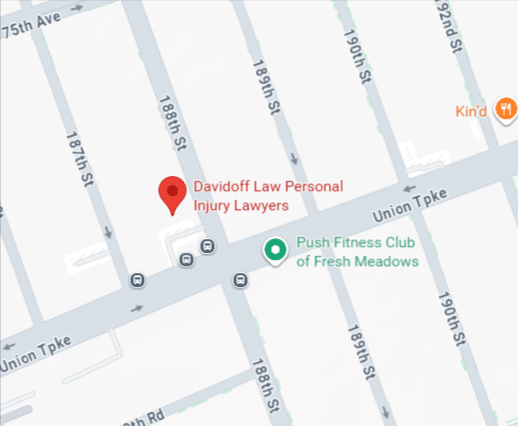
If you or a loved one suffered internal organ damage or other severe injuries in a serious car accident, you don’t have to face the legal system alone. The New York car accident attorneys at Davidoff Law Personal Injury Lawyers understands how overwhelming the claims process can be, especially when you're dealing with pain, medical bills, and time away from work. Whether your crash was caused by distracted driving, speeding, or reckless behavior, we are here to help.
Our team proudly serves clients across New York City and fights aggressively to win the maximum compensation possible for each case. We know how to deal with difficult insurance companies, gather strong medical evidence, and hold the at-fault party accountable.
We offer a free consultation, and you won’t pay us unless we win. Contact our Queens office today and let us help you move forward with confidence.

Ruben Davidoff, founder of Davidoff Law, established his practice in 2012 after moving to Queens in 1988 and beginning his legal career in 1997. Admitted in NY State and the US District Court for the Eastern District of NY, he has extensive experience in personal injury, handling various cases like airline crashes, auto accidents, and slip/trip and fall cases. Mr. Davidoff provides personalized attention, recovering millions for clients through settlements or verdicts, leveraging decades of experience.